Menu

Commercial Roof Coatings in Cincinnati – Minimize Downtime with Industrial-Grade Restoration Systems

First Choice Roofing Cincinnati delivers liquid applied roofing and elastomeric roof coatings engineered for commercial facilities that cannot afford operational disruptions or premature roof replacement.

Slider Image 1
Slider Image 2
Slider Image 3
Slider Image 4
Slider Image 5
Slider Image 7
Slider Image 8
Slider Image 9
Slider Image 10
Slider Image 11

Why Cincinnati's Climate Accelerates Commercial Roof Degradation

Your commercial flat roof faces unique threats in Cincinnati. The Ohio River Valley's humidity, combined with freeze-thaw cycling from November through March, creates a punishing environment for traditional built-up roofing and single-ply membranes. Water infiltration compounds quickly when ponding occurs, and the temperature swings between 20°F winter lows and 85°F summer highs stress seams and fasteners.

Manufacturing facilities, distribution centers, and office buildings in neighborhoods like Oakley, Norwood, and the West End experience accelerated membrane brittleness and cracking. When your roof fails, you face inventory damage, production stoppages, and expensive emergency tarping. A 50,000-square-foot warehouse shutdown costs you thousands per day in lost productivity.

Commercial roof restoration systems offer an alternative to full replacement. Elastomeric roof coatings provide a seamless, monolithic barrier that flexes with temperature changes and self-heals minor punctures. Industrial roof coatings extend service life by 10 to 20 years when applied correctly to structurally sound substrates. You avoid the cost of tear-off, reduce landfill waste, and maintain operations during application.

Liquid applied roofing adapts to complex roof geometries with penetrations, HVAC units, and skylights. The coating encapsulates fasteners and seams, eliminating the weak points that lead to leaks. For Cincinnati businesses operating on tight margins, this approach delivers ROI through energy savings and deferred capital expenditure.

Why Cincinnati's Climate Accelerates Commercial Roof Degradation
How Industrial Roof Coatings Restore Commercial Asset Value

How Industrial Roof Coatings Restore Commercial Asset Value

First Choice Roofing Cincinnati applies a diagnostic approach before recommending any coating system. We conduct infrared moisture surveys to map trapped water in insulation layers, then core sample to verify deck integrity. If the substrate shows rot or rust, coating will fail within two years. We tell you the truth about whether restoration is viable or if replacement is necessary.

Once we verify substrate integrity, we specify the correct coating chemistry for your roof type. Acrylic coatings work for sloped metal roofs with good drainage. Silicone coatings handle ponding water on low-slope EPDM or TPO without degrading. Polyurethane base coats provide impact resistance for roofs with high foot traffic from maintenance crews.

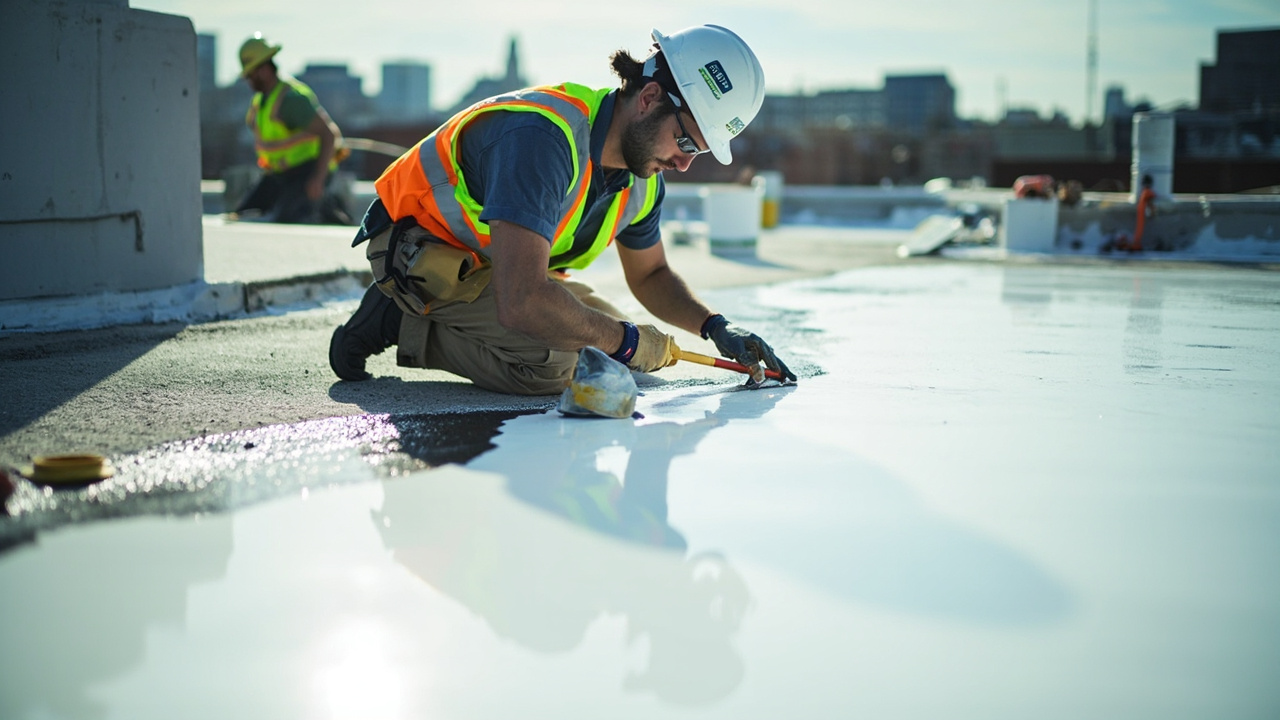
Surface preparation determines coating performance. We pressure wash to remove dirt, algae, and chalking, then repair all damaged flashing, split seams, and open laps with compatible materials. We prime porous substrates like modified bitumen to ensure adhesion. Coating thickness matters: we apply 20 to 30 mils in multiple passes to meet manufacturer specifications and warranty requirements.

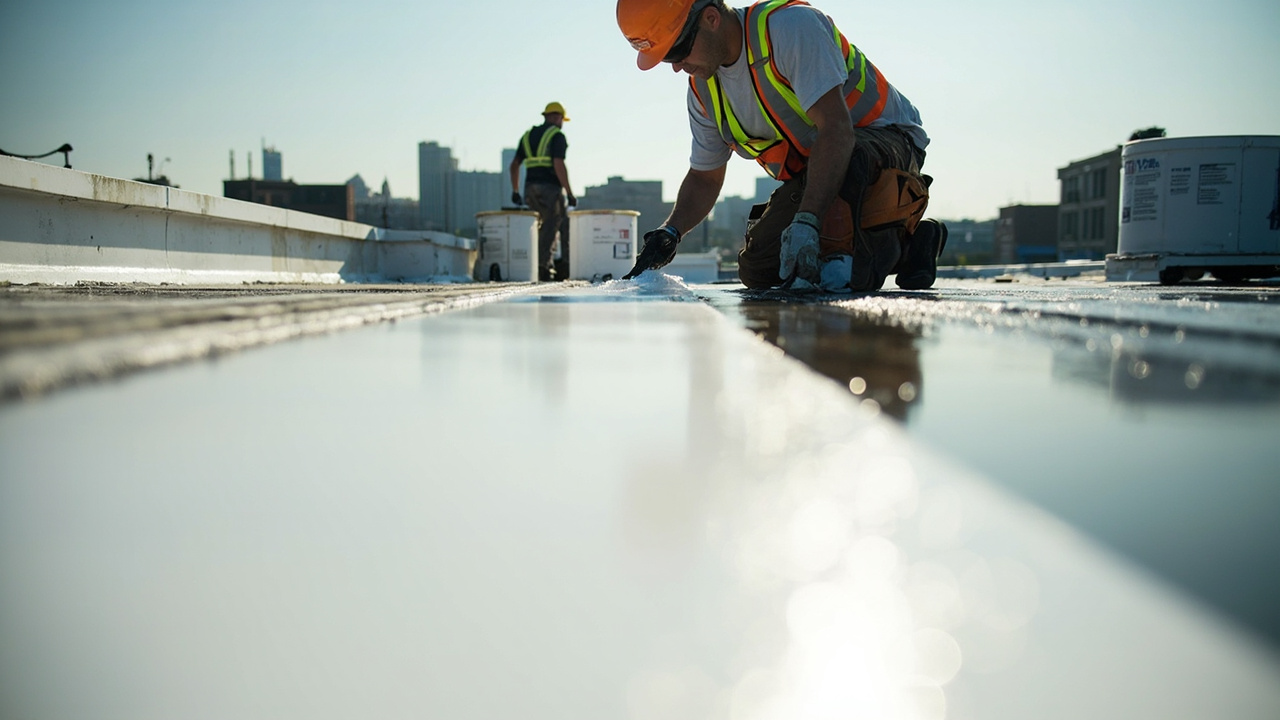
Our crews work in sections to avoid disrupting your operations. We coordinate with your facility manager to schedule around peak business hours, deliveries, and temperature windows. Coatings cure in four to six hours under proper conditions, allowing phased application. We document mil thickness with wet film gauges at each stage to ensure quality control and warranty compliance.

Our Commercial Coating Application Process

Commercial Roof Coatings in Cincinnati – Minimize Downtime with Industrial-Grade Restoration Systems
01

Roof Assessment and Testing

We inspect your entire roof system to identify moisture intrusion, structural damage, and coating compatibility. Infrared scanning reveals hidden water in insulation, and core samples confirm deck condition. You receive a detailed report with photos documenting every defect, plus a scope of repairs required before coating application. This prevents warranty voids and premature coating failure.
02

Surface Preparation and Repair

We power wash the roof to remove contaminants, then repair all damaged areas using materials compatible with your existing membrane. Flashing receives reinforcing fabric, seams get re-sealed, and penetrations are rebuilt to manufacturer standards. We address ponding areas with tapered insulation or crickets if your budget allows. Proper prep accounts for 70 percent of coating longevity.
03

Coating Application and Inspection

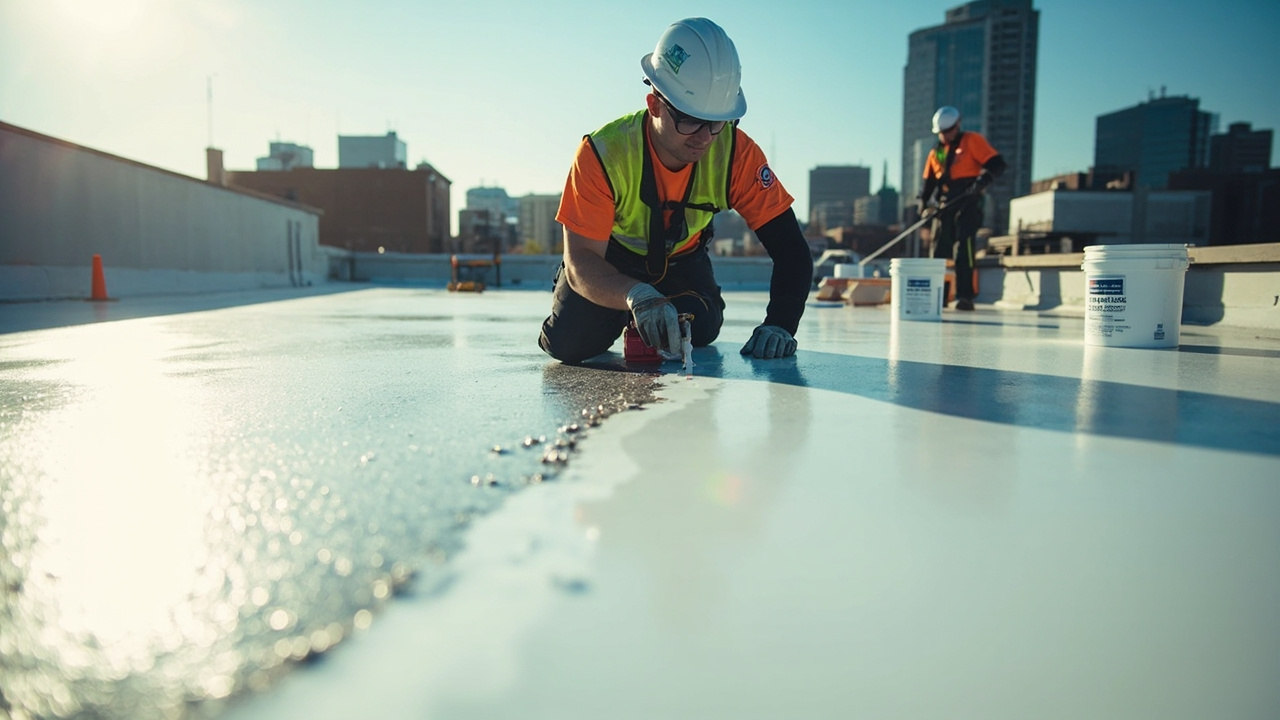
We apply base and topcoats at specified mil thickness using airless sprayers, measuring with wet film gauges to ensure uniform coverage. Each section cures before the next coat. After final application, we conduct a holiday test to verify seamless coverage and provide you with warranty documentation. You receive a maintenance plan outlining annual inspections to maximize coating service life.

Why Cincinnati Businesses Choose First Choice Roofing for Commercial Coatings

Commercial roof coatings fail when contractors skip diagnostic steps or misapply products. We have restored roofs on manufacturing plants in Fairfax, cold storage facilities in Queensgate, and retail centers in Hyde Park. We understand Cincinnati's building stock, which includes older industrial buildings with built-up roofing that requires different prep than modern TPO installations.

Our crews hold manufacturer certifications for the coating systems we install. This matters because factory training teaches proper mixing ratios, application temperatures, and cure times. Certification also activates extended warranties that transfer to new building owners, protecting your asset value if you sell the property.

We work within Hamilton County's commercial building codes and coordinate inspections when required. Our project managers communicate daily during active jobs, providing updates on weather delays, application progress, and any unforeseen conditions discovered during prep. You get direct access to the crew foreman and project documentation through our client portal.

First Choice Roofing Cincinnati maintains relationships with commercial insurance adjusters throughout the region. If storm damage triggers your restoration project, we document pre-loss conditions and provide detailed estimates that align with Xactimate pricing. We handle the claim paperwork so you can focus on business continuity.

We do not subcontract coating application. Our employees complete the work, ensuring accountability and consistent quality. This eliminates coordination problems and liability gaps common with multi-tier contractor arrangements.

What Cincinnati Business Owners Should Know About Roof Coating Projects

Project Timeline and Scheduling

A typical 30,000-square-foot commercial roof coating takes five to seven days under favorable weather conditions. We schedule around your operational needs, working nights or weekends if necessary to avoid disrupting business. Weather dictates progress: coatings require temperatures above 50°F and no rain in the 24-hour cure window. We monitor forecasts and delay application rather than risk adhesion failure. You receive a detailed schedule during contract signing, with contingency dates built in for weather delays. Most businesses experience zero downtime during coating projects.

Roof Evaluation and Scope Development

We provide free roof assessments for commercial properties. During the inspection, we map all defects, test moisture levels, and photograph conditions. You receive a written report within 48 hours detailing necessary repairs and coating recommendations. We explain why specific chemistries suit your roof type and drainage characteristics. If your roof has extensive damage or insufficient slope, we will recommend alternative solutions instead of coating. Our goal is to provide honest assessment of whether restoration makes financial sense for your facility.

Coating Performance and Longevity

Properly applied commercial roof coatings last 10 to 20 years depending on chemistry, substrate condition, and maintenance. Silicone coatings resist ponding water and UV degradation better than acrylics but cost more per square foot. We apply coatings at 20 to 30 mils thickness to meet manufacturer specifications. Thicker applications provide better protection but increase material cost. You receive energy savings from reflective coatings that reduce cooling loads by 10 to 20 percent. The seamless membrane eliminates leak points at seams and fasteners, reducing maintenance calls and interior damage.

Maintenance and Warranty Coverage

Commercial roof coatings require annual inspections to maintain warranty coverage. We offer maintenance contracts that include debris removal, drain cleaning, and touch-up repairs. Manufacturer warranties cover material defects, while our labor warranty covers application quality. Warranty terms range from 10 to 20 years depending on coating system and substrate condition. We document all work with photos and mil thickness readings, creating a maintenance file for future building owners. Proper upkeep extends coating life and prevents small issues from becoming expensive failures.

Frequently Asked Questions

You Have Questions,
We Have Answers

How much does commercial roof coating cost? +

Commercial roof coating costs depend on square footage, substrate condition, and coating type. Silicone and acrylic systems typically range from budget-conscious to premium-tier pricing per square foot. Expect additional costs for surface preparation, repairs to damaged areas, and required dry time that may affect business operations. In Cincinnati, buildings with older substrates or moisture infiltration may require more prep work, increasing total investment. The ROI often justifies the expense: coatings extend roof life by 10-15 years and reduce energy consumption by reflecting heat. Request itemized quotes that separate material, labor, and prep costs to evaluate true value.

What type of roof coating is best? +

The best commercial roof coating depends on your substrate, climate exposure, and operational demands. Silicone coatings excel in Cincinnati's humid conditions and standing water scenarios, offering superior moisture resistance. Acrylic coatings provide strong UV protection and reflectivity for reducing cooling loads. Polyurethane coatings deliver impact resistance for high-traffic rooftops. Assess your facility's specific challenges: flat roofs with ponding water need silicone, while sun-exposed metal roofs benefit from acrylic. A professional inspection identifies substrate compatibility and existing damage. The right coating minimizes downtime, meets fire code requirements, and maximizes service life without premature failure.

What are the latest trends in commercial roofing? +

Commercial roofing trends prioritize sustainability, cool roof technology, and predictive maintenance systems. Reflective coatings now meet LEED standards, reducing urban heat island effects and lowering HVAC costs. Solar-ready roof systems integrate photovoltaic infrastructure during installation or restoration. Drone inspections and infrared scanning detect moisture intrusion before visible damage occurs, preventing costly emergency repairs. In Cincinnati, businesses adopt multi-layer fluid-applied systems that accommodate thermal expansion during seasonal temperature swings. Green roof integration and vegetative layers provide stormwater management compliance. These innovations reduce liability, extend asset life, and improve ESG reporting metrics for property managers and commercial owners.

What are the disadvantages of roof coatings? +

Roof coatings require proper substrate preparation and compatible materials. Disadvantages include application sensitivity to weather conditions: coatings need specific temperature ranges and dry time, potentially delaying project timelines. Incompatible coatings over existing materials cause delamination and premature failure. Surface contaminants or unrepaired damage reduce adhesion. In Cincinnati, high humidity during spring and fall can extend curing times, affecting business operations. Coatings do not fix structural issues, saturated insulation, or failed decking. They provide a cost-effective restoration solution when applied correctly but demand thorough inspection and professional installation. Improper application voids manufacturer warranties and accelerates deterioration.

How many years does roof coating last? +

Quality commercial roof coatings last 10 to 20 years depending on material type, application thickness, and maintenance protocols. Silicone coatings typically deliver 15-20 years in demanding environments with standing water exposure. Acrylic systems provide 10-15 years with proper recoating intervals. Performance depends on Cincinnati's freeze-thaw cycles, UV exposure, and rooftop traffic. Regular inspections and minor touch-ups extend service life. Multi-coat systems with reinforced fabric last longer than single-coat applications. Environmental factors like ponding water, chemical exposure from HVAC units, and foot traffic accelerate wear. Documented maintenance programs maximize coating longevity and preserve manufacturer warranties.

Can roofers make 100k a year? +

This question falls outside commercial roof coating scope. Experienced commercial roofers and project managers in competitive markets can reach six-figure incomes through specialized skills, certifications, and project oversight roles. Compensation depends on regional demand, project complexity, and business model. Commercial roofing requires expertise in coating applications, substrate analysis, and code compliance. Focus your facility planning on qualified contractors who demonstrate technical knowledge and field experience. Proper installation by skilled professionals protects your investment and minimizes liability exposure. Evaluate contractors on project portfolios, manufacturer certifications, and references rather than individual earning potential.

What are the 4 types of coatings? +

The four primary commercial roof coating types are acrylic, silicone, polyurethane, and asphalt-based emulsions. Acrylic coatings offer excellent UV resistance and reflectivity for energy savings. Silicone coatings provide superior moisture resistance and ponding water tolerance. Polyurethane coatings deliver high impact resistance for trafficked rooftops and abrasion-prone areas. Asphalt emulsions work with built-up and modified bitumen systems. Each type has specific substrate compatibility requirements and performance characteristics. Cincinnati facilities must consider humidity, temperature fluctuations, and existing roof membrane composition when selecting coating chemistry. Professional analysis ensures proper material selection and long-term performance.

What is the longest lasting roof coating? +

Silicone roof coatings typically provide the longest service life, lasting 15-20 years in demanding commercial environments. Silicone resists UV degradation, ponding water, and extreme temperature fluctuations without breaking down. The material maintains flexibility through Cincinnati's freeze-thaw cycles and does not support mold growth in humid conditions. Unlike acrylic coatings that require recoating intervals, silicone systems maintain integrity with minimal maintenance. The chemistry resists dirt accumulation and maintains reflectivity longer. Application requires proper surface preparation and dry substrate conditions. While initial costs exceed acrylic systems, the extended service life and reduced maintenance needs provide stronger lifecycle ROI for commercial property owners.

Which is better, EPDM or TPO? +

EPDM and TPO both serve commercial applications but differ significantly. TPO offers heat-welded seams, superior reflectivity, and better energy efficiency for reducing cooling costs. EPDM provides proven durability, easier repairs, and better performance in Cincinnati's temperature extremes. TPO costs more upfront but delivers lower operational costs through reflective properties. EPDM handles ponding water well and resists ozone degradation. Consider building use, budget, and energy goals. High-traffic facilities benefit from TPO's seam strength. Buildings with HVAC loads favor TPO's reflectivity. EPDM suits budget-conscious projects requiring reliable performance. Both systems accept coating restoration, extending service life beyond typical membrane warranties.

What is the life expectancy of a commercial roof? +

Commercial roof life expectancy ranges from 15 to 40 years depending on system type and maintenance quality. Built-up roofing lasts 15-20 years, modified bitumen 15-25 years, single-ply membranes 20-30 years, and metal roofing 30-40 years. Cincinnati's humidity, freeze-thaw cycles, and storm exposure accelerate deterioration without preventive maintenance. Regular inspections, prompt repairs, and periodic coating restoration extend service life significantly. Poor drainage, deferred maintenance, and improper installation reduce longevity. Documented maintenance programs and strategic restoration investments maximize asset value. Facilities managers should budget for proactive interventions rather than reactive emergency repairs that increase downtime and liability exposure.

How Cincinnati's Industrial Corridor and Freeze-Thaw Cycles Impact Commercial Flat Roof Coatings

The Mill Creek Valley industrial corridor and facilities along the Ohio River face harsh conditions that accelerate roof membrane failure. Freeze-thaw cycling causes expansion and contraction that stresses seams and fasteners on metal and single-ply roofs. When temperatures swing 40 degrees in a single day during spring and fall, traditional roofing materials crack. Commercial roof restoration systems using elastomeric coatings flex with temperature changes, preventing the splits and tears common in rigid membranes. Manufacturing facilities in Queensgate and Fairfax benefit from liquid applied roofing that accommodates thermal movement without losing adhesion.

Hamilton County enforces commercial building codes that require proper drainage and fire ratings for roof assemblies. First Choice Roofing Cincinnati maintains relationships with local inspectors and understands permit requirements for coating projects on buildings in historic districts and commercial zones. We source coating systems that meet Class A fire ratings and comply with volatile organic compound limits. Our crews understand Cincinnati's older industrial building stock, which often includes built-up roofing that requires different prep than modern TPO installations common in newer suburban office parks.
Roofing Services in The Cincinnati Area

We are proud to serve the entire Cincinnati metro area and surrounding communities, bringing our top-tier roofing expertise right to your neighborhood. Use the map below to visualize our primary service region and get directions to our main office for material samples or in-person consultations. Whether you are downtown or on the outskirts, First Choice Roofing is committed to being your most convenient and reliable local roofing partner. Contact us to confirm service availability at your specific address.

Address:
First Choice Roofing Cincinnati, 2337 Victory Pkwy, Cincinnati, OH, 45206

Additional Services We Offer

Our news updates

Latest Articles & News from The Blogs

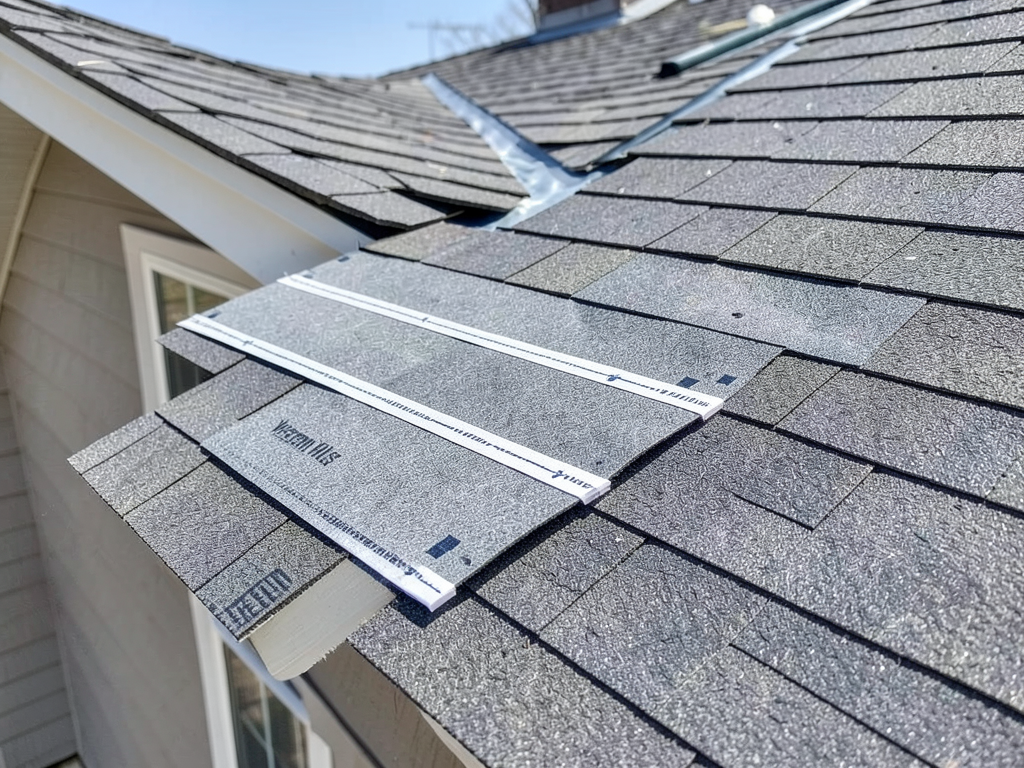
Why your Western Hills home needs high-wind starter shingles even if you aren't in a hurricane zone Your Western Hills…

Why your Western Hills home needs high-wind starter shingles even if you aren't in a hurricane zone

Why your Western Hills home needs high-wind starter shingles even if you aren't in a hurricane zone Your Western Hills…

Understanding the structural limits of your older Norwood roof before switching to heavy clay tiles

Understanding the structural limits of your older Norwood roof before switching to heavy clay tiles Norwood’s charming older homes built…

The best roofing colors for a Dutch Colonial home in the Gaslight District of Clifton

Choosing the Perfect Roof Color for Your Dutch Colonial Home in Clifton The gambrel roof of your Dutch Colonial home…

Contact Us

Stop planning for expensive roof replacement. Find out if commercial roof coatings can extend your roof life by 15 years. Call First Choice Roofing Cincinnati at (513) 223-5511 for a free facility assessment and detailed restoration proposal.