
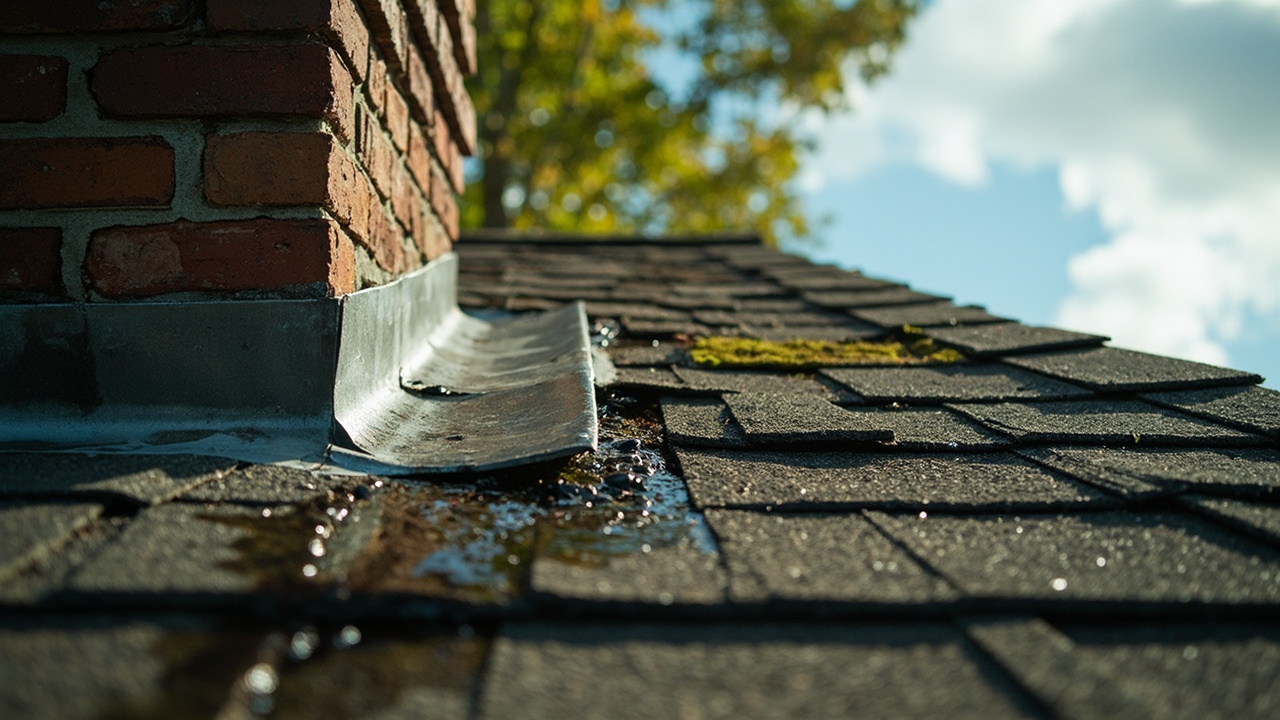
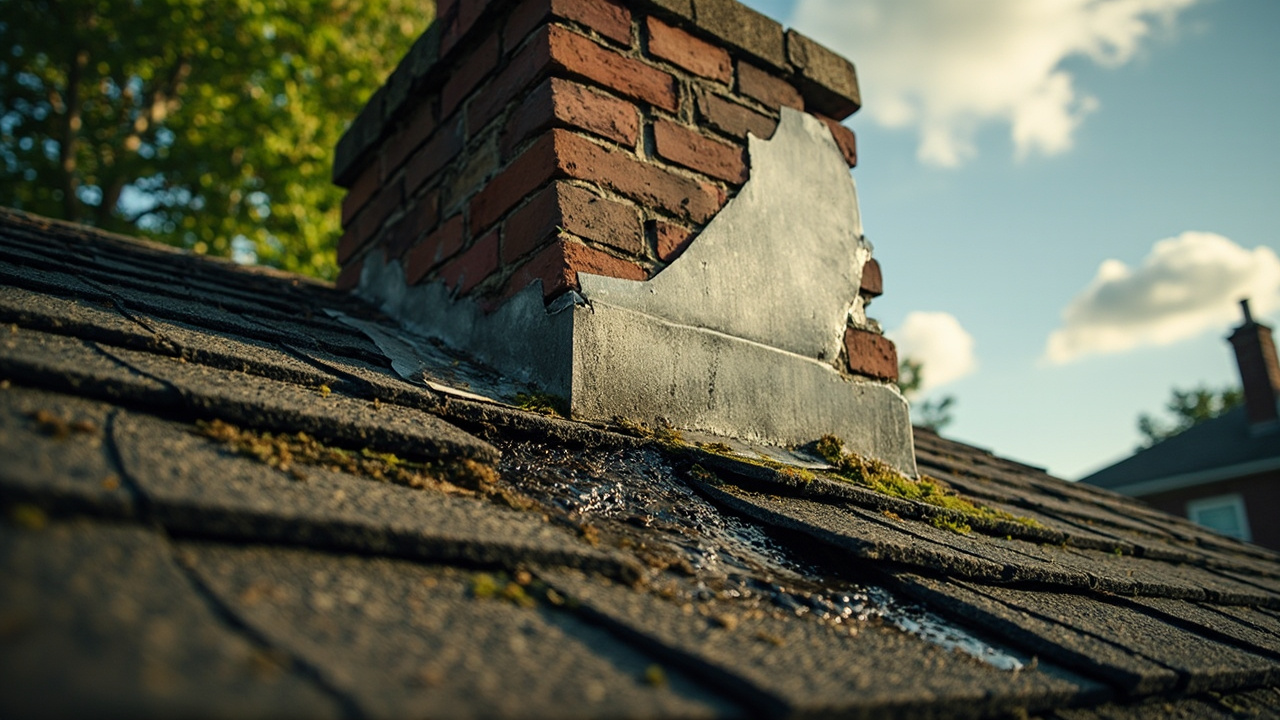
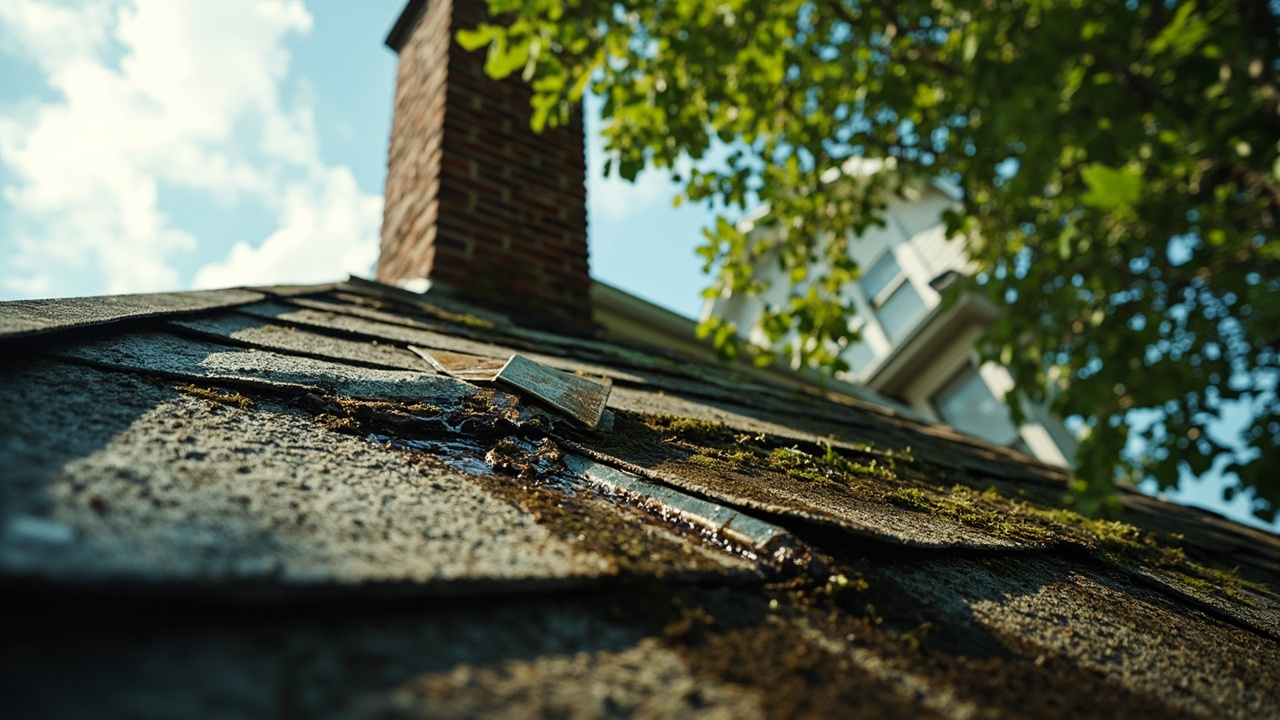
Cincinnati experiences an average of 45 freeze-thaw cycles each winter. Water seeps behind your flashing during a January rain. Temperatures drop to 20 degrees that night. The water expands as it freezes, pushing the metal away from the roof deck. The seal breaks. By February, you have a loose roof flashing that lets water flow directly onto your decking during every storm. This cycle repeats 40 to 50 times before spring arrives. Flashing installed without a secondary moisture barrier fails within five years in this climate.
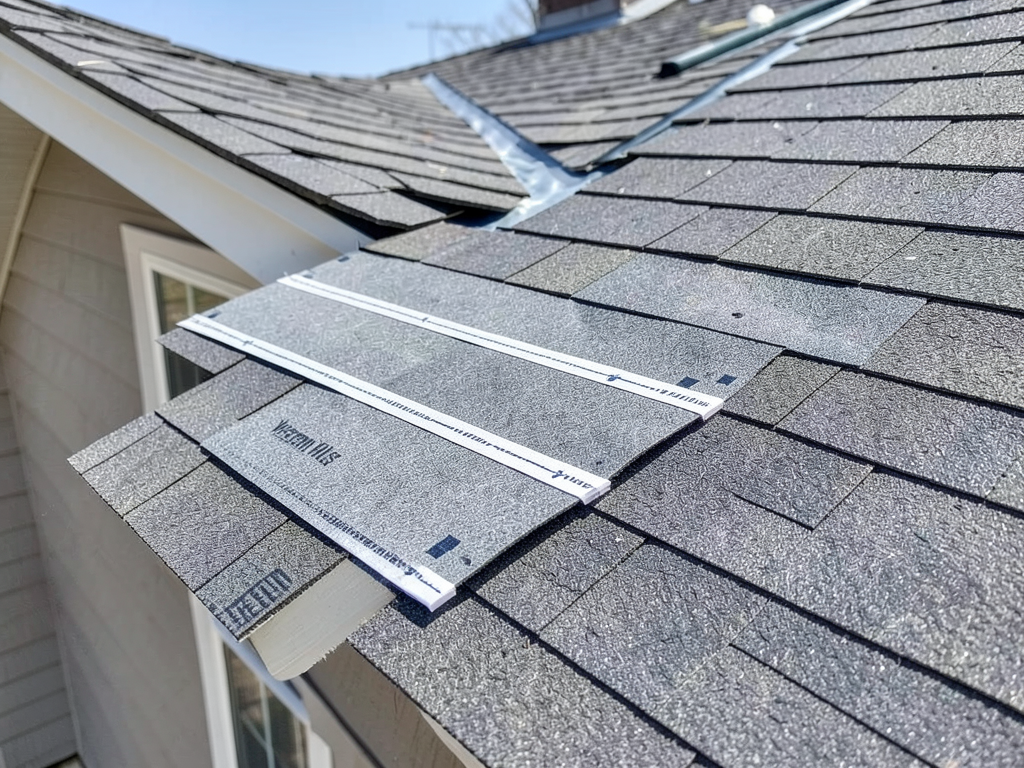
Cincinnati building codes require ice and water shield at all roof penetrations and transitions. Many roofers skip this step to save time. First Choice Roofing Cincinnati installs the membrane on every flashing repair because we know what happens when it is missing. We have repaired hundreds of leaks in Oakley, Hyde Park, and Mount Adams caused by improper flashing installation. When you hire a local roofer who understands regional climate challenges, you get a repair that survives another decade of freeze-thaw stress and summer humidity.