Menu

Roof Cricket Drainage Issues in Cincinnati – Expert Diagnosis and Permanent Repair Solutions

When chimney saddle water pooling threatens your roof integrity, our specialized diagnostics pinpoint improper cricket pitch and flashing failures that generic contractors miss across Greater Cincinnati metro homes.

Slider Image 1
Slider Image 2
Slider Image 3
Slider Image 4
Slider Image 5
Slider Image 7
Slider Image 8
Slider Image 9
Slider Image 10
Slider Image 11

Why Roof Crickets Fail in Cincinnati's Freeze-Thaw Climate

You see water stains on your ceiling near the chimney. Every heavy rain brings anxiety. The problem is not just bad luck.

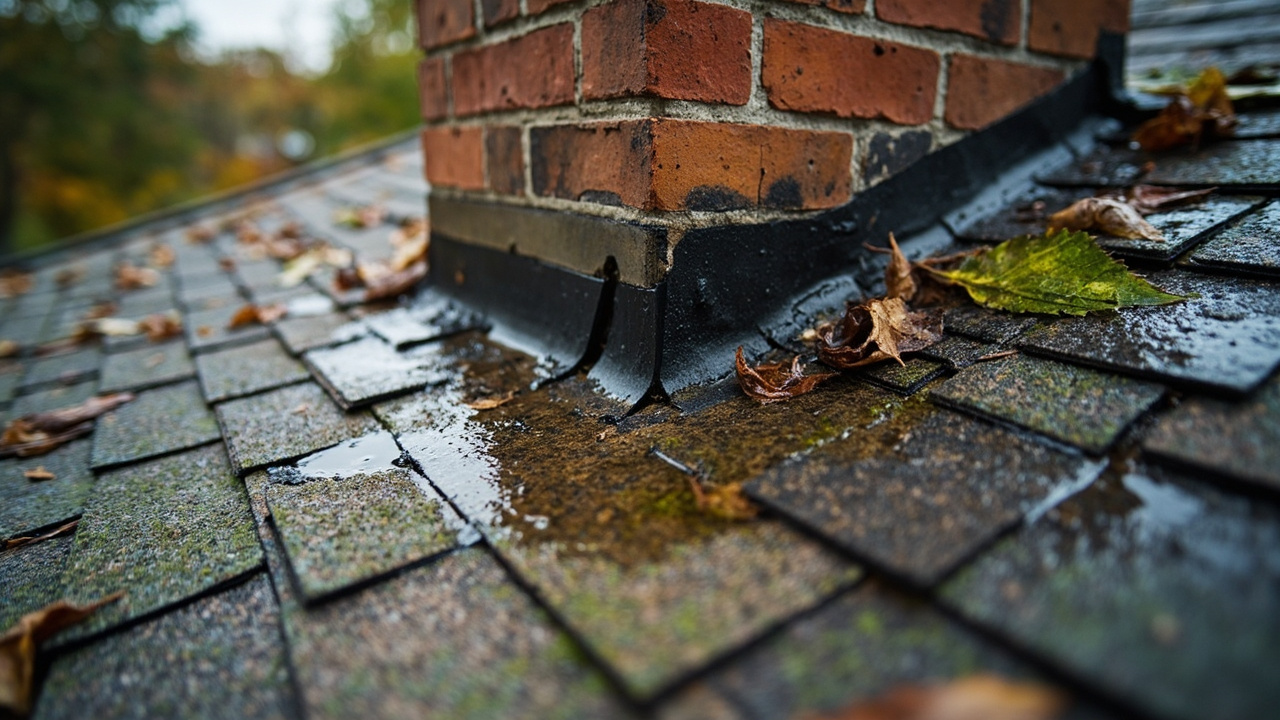
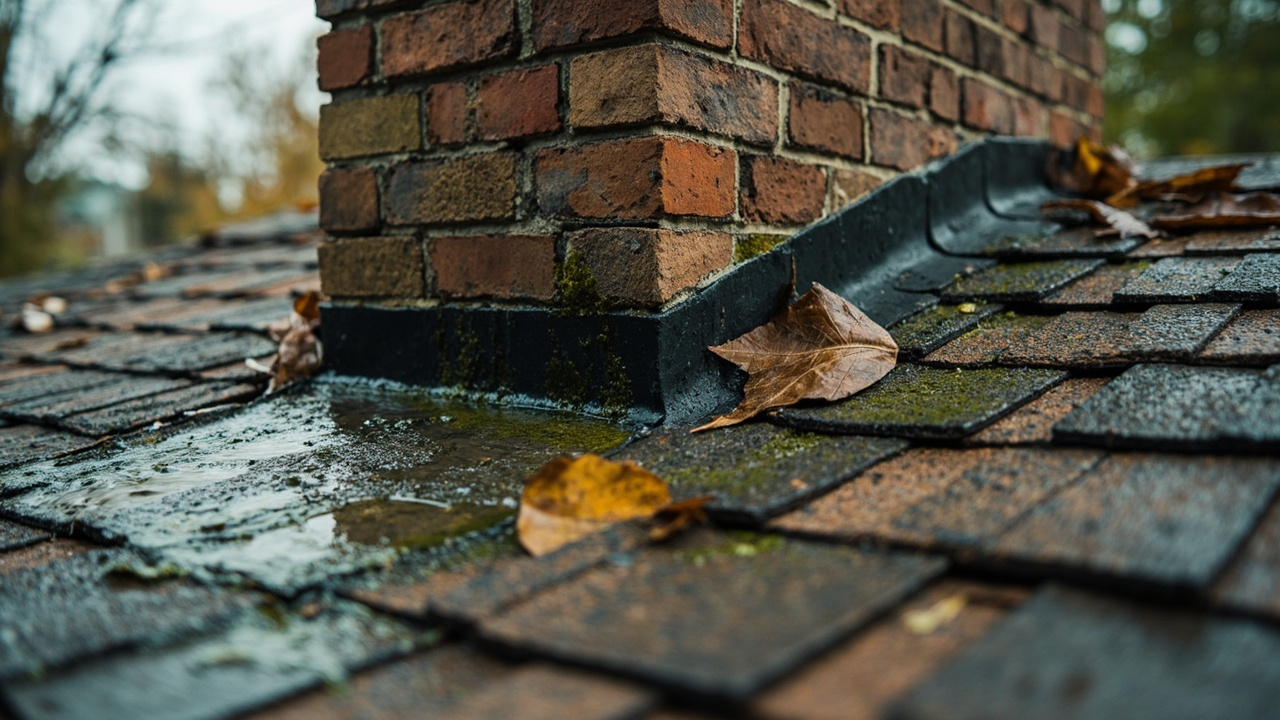
Cincinnati's brutal freeze-thaw cycles destroy poorly built roof crickets faster than almost any other climate factor. A roof cricket is the small peaked structure behind your chimney that diverts water around the obstruction. When that cricket fails, water pools against the chimney base instead of flowing down the roof plane.

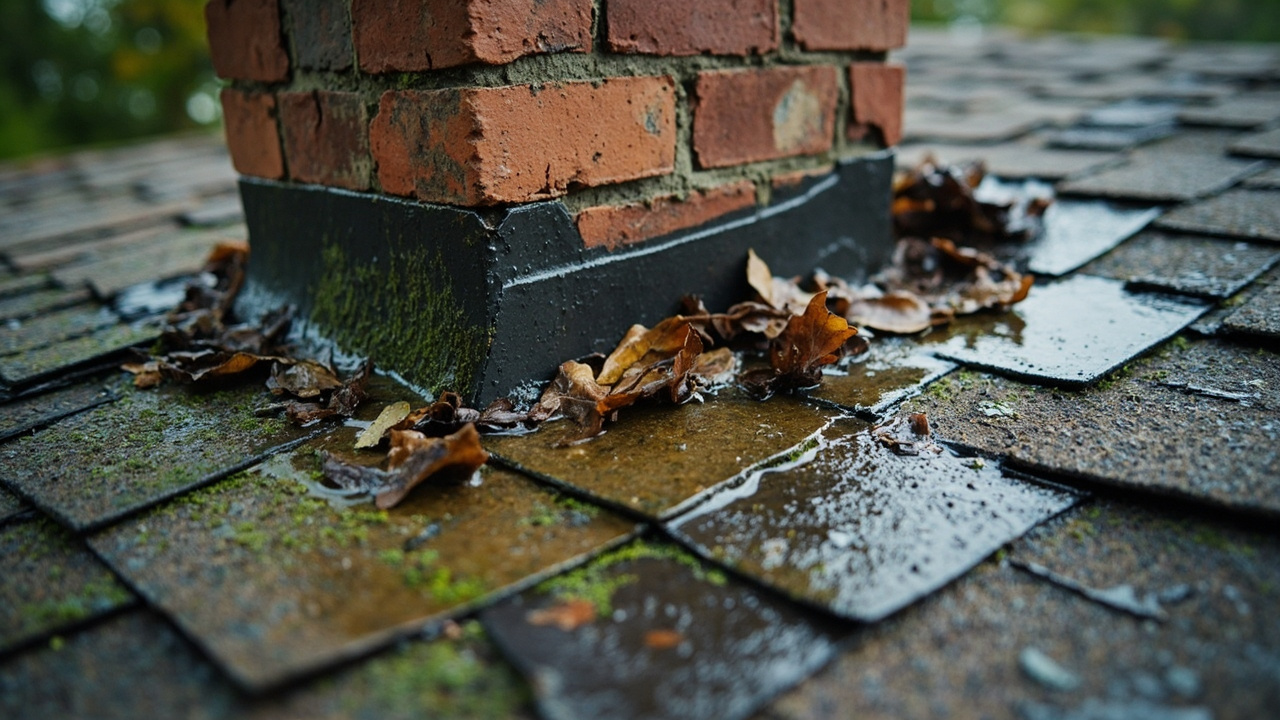
Chimney saddle water pooling happens because most crickets are built with improper cricket pitch. The angle is too shallow. Water sits instead of moving. During winter, that standing water freezes, expands, and tears the flashing seals. By spring, you have active chimney diverter leaks feeding into your attic insulation.

The clay soil common throughout Hamilton County and surrounding areas causes another problem. Homes settle unevenly. That settling shifts roof planes by fractions of an inch. A cricket that drained perfectly in year one can develop roof saddle drainage failure by year five because the pitch angle changed.

Most homeowners do not realize the cricket exists until roof cricket ponding creates visible interior damage. By then, the decking underneath may have begun to rot. The longer water sits against that chimney base, the more expensive the fix becomes.

You did not cause this problem. Poor original construction or natural settling caused it. But you need to fix it before the next heavy rain cycle compounds the damage.

Why Roof Crickets Fail in Cincinnati's Freeze-Thaw Climate
How We Diagnose and Rebuild Failed Roof Crickets

How We Diagnose and Rebuild Failed Roof Crickets

Generic roofers slap down more caulk and call it fixed. That approach fails within months because the root problem is geometry, not sealant.

We start with pitch measurement. Using digital inclinometers, we measure the exact slope of your main roof plane and compare it to the cricket pitch angle. If the cricket pitch is less than 4:12 on a standard 6:12 roof, water will pool. Physics does not negotiate.

Next, we inspect the cricket framing itself. Many builders use undersized lumber or skip the cricket entirely, relying only on flashing. A proper cricket requires a framed structure with its own ridge board, rafter supports, and sheathing. If that framing is missing or rotted, no amount of flashing repair will stop the leaks.

We also check for valley integration. The cricket creates two small valleys on either side of the chimney. Those valleys must tie into the main roof valley system with properly woven or step-flashed transitions. Most leaks happen at those transition points because the flashing layers are installed in the wrong sequence.

Our rebuild process removes all existing flashing and cricket framing down to the roof deck. We replace any water-damaged decking, then frame a new cricket with proper pitch ratio. The new structure gets its own underlayment layer, integrated flashing system, and matching shingle coverage.

We do not guess at angles. We calculate the minimum pitch needed for your specific roof slope and chimney width, then build to that spec. The goal is positive drainage in every weather condition Cincinnati can deliver.

What Happens During Your Cricket Repair

Roof Cricket Drainage Issues in Cincinnati – Expert Diagnosis and Permanent Repair Solutions
01

Detailed Roof Inspection

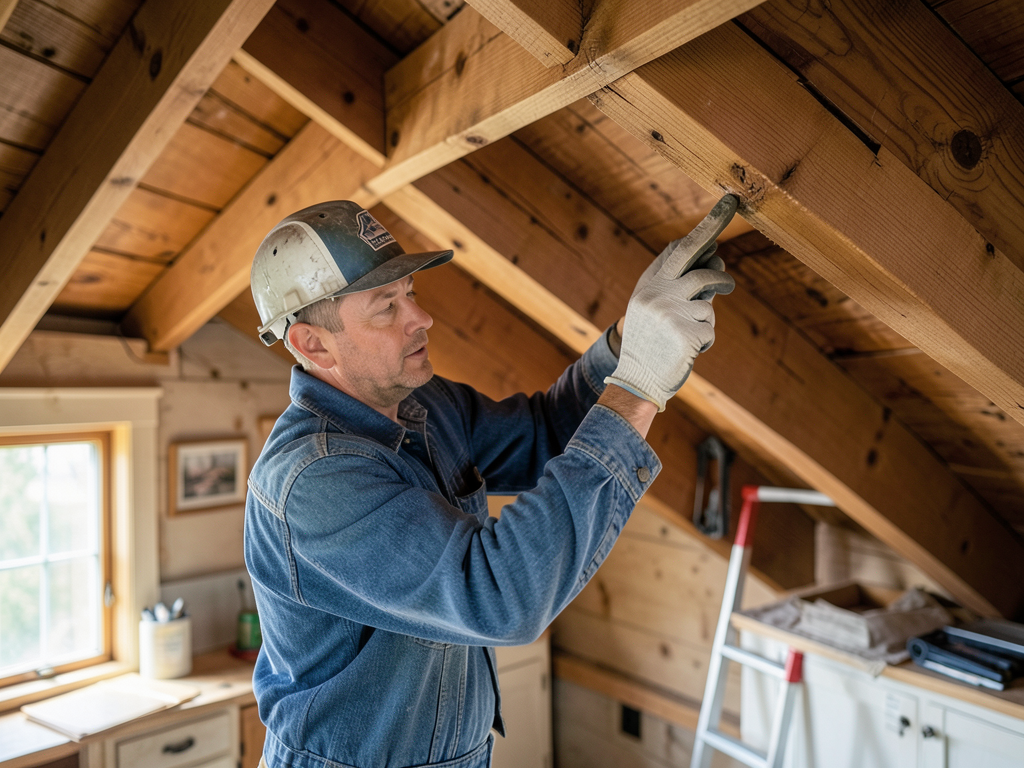
We access your roof to document the current cricket condition, measure pitch angles, and photograph the flashing details. You receive a detailed report showing exactly why water is pooling and what structural changes are needed. This inspection includes attic access to check for hidden water damage in the decking and framing below the cricket area.
02

Cricket Reconstruction

Our crew removes the failed cricket structure and damaged materials, then rebuilds the framing with correct pitch geometry for your roof slope. We install new plywood decking, ice and water shield underlayment, and properly sequenced step flashing that ties into the chimney counter-flashing. Each layer is inspected before the next begins to ensure water cannot penetrate at any level.
03

Final Integration and Testing

We match your existing shingles and install them over the new cricket structure, blending the repair invisibly into the surrounding roof plane. Before leaving, we test drainage with controlled water flow to verify positive runoff in all directions. You get photos of the completed work and a written summary of all structural changes made to prevent future pooling.

Why Cincinnati Homeowners Choose First Choice Roofing for Cricket Repairs

You need someone who understands how Cincinnati's weather attacks roof structures. We have repaired hundreds of failed crickets across Hamilton County, Butler County, and Warren County. We know which original builders cut corners and which subdivisions have endemic settling issues.

Most national roofing chains send crews with zero cricket framing experience. They treat every leak like a shingle problem. When you call us, you get estimators who understand structural geometry and can explain why your cricket is failing in terms you can visualize.

We also understand local code requirements. Cincinnati requires ice and water shield underlayment in all valley applications. Many older crickets were built before that code existed. When we rebuild, we bring the entire assembly up to current standards, which protects you during resale inspections and insurance claims.

Our diagnostic process has caught problems that other contractors missed. We have found rotted ridge boards, improper flashing laps, and even completely missing cricket framing on homes where the previous roofer claimed the repair was complete. You do not want to pay twice for the same repair because the first company did not understand the geometry.

We also work directly with your insurance adjuster if the damage qualifies for a claim. Chimney cricket failures often result from storm damage or ice dam events, which are covered perils. We document the damage correctly so your claim is not denied due to poor paperwork.

Our crews are local. They live in the same neighborhoods they service. When we say we understand how Cincinnati weather destroys roof crickets, we are talking about our own homes too. That local knowledge translates into repairs that last.

What You Can Expect From Start to Finish

Fast Response and Scheduling

We schedule your roof inspection within 48 hours of your call. During active leak situations, we can provide emergency tarping to prevent further interior damage while we prepare the full repair estimate. Most cricket rebuilds are completed in one to two days depending on weather and the extent of decking damage. We coordinate with your schedule to minimize disruption and protect your landscaping and property during the work.

Thorough Damage Assessment

Our inspection includes both exterior roof access and interior attic access to document the full scope of water intrusion. We measure cricket pitch with digital tools and photograph all flashing details. You receive a written report explaining what failed, why it failed, and what we will do differently. If we find additional damage to decking or rafters, we document it with photos before proceeding so there are no surprises in the final invoice.

Permanent Structural Solution

You get a properly framed cricket with correct pitch geometry, not just new flashing over a failed structure. We replace damaged decking, install new underlayment, and integrate the flashing in the correct sequence. The shingle match is seamless. After completion, we test drainage with controlled water flow to prove the repair works. You will not see water pooling behind that chimney again because the geometry is now correct.

Documented Workmanship Protection

All cricket repairs include documentation of materials used and structural changes made. You receive photos of the work at each stage so you can see exactly what was rebuilt below the visible shingles. This documentation is critical for future insurance claims and home sales. We also provide guidance on gutter maintenance and downspout extensions to protect your investment long-term.

Frequently Asked Questions

You Have Questions,
We Have Answers

How to get rid of crickets in drains? +

This question confuses insect crickets with roof crickets. A roof cricket is a ridge structure built behind chimneys to divert water. If you see actual insects in drains, that is a pest control issue, not a roofing problem. If you meant drainage issues around a roof cricket, look for clogs in gutters or downspouts. Check for debris blocking water flow behind the chimney. In Cincinnati, freeze-thaw cycles can crack flashing around crickets, causing water backup. Clean gutters seasonally and inspect flashing for gaps or rust.

Are roof nail pops covered by insurance? +

Nail pops usually result from normal roof movement or poor installation. Most homeowner policies do not cover nail pops because insurers consider them a maintenance issue, not sudden damage. If nail pops cause leaks during a covered event like a windstorm, you may have a claim. In Cincinnati, temperature swings can cause decking to expand and contract, pushing nails up. Document any leaks tied to the pops. Get a professional inspection to determine if the damage connects to a covered peril before filing.

What are the signs of a failing roof drain? +

Watch for water pooling on flat or low-slope sections longer than 48 hours after rain. Check for rust, cracks, or gaps around drain flanges and strainers. You may notice water stains on interior ceilings below drains or slow drainage during heavy downpours. In Cincinnati, leaf buildup clogs drains quickly in fall. Ice dams can form if drains freeze in winter. Look for sagging roof sections near drains, which signals trapped water weight. Inspect drains twice yearly and clear debris before storm seasons.

What problems do roof crickets solve? +

Roof crickets prevent water pooling behind chimneys and large roof penetrations. Without a cricket, water flows directly into the uphill side of the chimney, causing leaks, rot, and flashing failure. The cricket creates a ridge that diverts water around the obstruction toward gutters. In Cincinnati, where heavy rain and snowmelt are common, crickets reduce ice dam formation behind chimneys. They extend roof lifespan by keeping water moving instead of sitting against masonry. Building codes often require crickets for chimneys wider than 30 inches.

Does pouring bleach down the drain get rid of roaches? +

This question relates to pest control, not roofing. Bleach can kill some insects in drains temporarily but does not address roof drainage issues. If you meant cleaning roof drains, never pour household chemicals into roof drainage systems. They corrode metal components and damage waterproofing membranes. For clogged roof drains in Cincinnati, use a plumber's snake or call a professional. Clear leaves, shingle granules, and debris manually. Flush drains with water after clearing. Bleach does not solve structural drainage problems or fix failing roof crickets.

How to get rid of crickets in the roof? +

This question confuses insect crickets with roof crickets. If you have insects in your attic or roof space, contact a pest control company. A roof cricket is a peaked structure built behind chimneys to divert water, not a pest. If you meant addressing drainage issues around a roof cricket, inspect for clogged valleys or damaged flashing. In Cincinnati, squirrels and birds sometimes nest near crickets, blocking water flow. Check for gaps in soffits or fascia where pests enter. Seal openings and clear debris from cricket valleys seasonally.

How much does it cost to fix roof nail pops? +

Repair costs vary based on damage extent and roof accessibility. Fixing a few isolated nail pops may cost a couple hundred dollars for sealant and renailing. Widespread nail pops requiring shingle replacement or decking repair run higher. Most Cincinnati contractors charge by the hour for small repairs or by the square for larger jobs. Costs increase on steep roofs or multi-story homes. Get multiple quotes and ask if the contractor will inspect for underlying issues like poor ventilation or decking movement that caused the pops.

What not to say to a roof insurance adjuster? +

Never exaggerate damage or speculate about causes. Do not say your roof is old and needed replacement anyway. Avoid admitting to deferred maintenance or pre-existing leaks. Do not agree to a settlement amount on the spot without reviewing your policy. Never sign paperwork without reading it. In Cincinnati, adjusters see wind and hail claims frequently. Stick to facts about when damage occurred and what you observed. Provide photos and receipts. Let your contractor document technical details. Do not downplay damage to seem agreeable.

Is it worth claiming roof damage on insurance? +

File a claim if damage clearly results from a covered peril like wind, hail, or fallen trees. Weigh your deductible against repair costs. Small repairs under your deductible are not worth claiming. Consider how a claim affects future premiums. In Cincinnati, storm damage from high winds and hail is common and legitimate. If your roof is near the end of its lifespan, insurers may depreciate payouts heavily. Get a professional inspection first to assess damage severity. Claims for wear and maintenance issues get denied and still count against you.

Why Cincinnati's Humidity and Freeze-Thaw Cycles Accelerate Cricket Failures

Cincinnati sits in a climate zone where summer humidity keeps roof surfaces damp for extended periods, preventing proper drying between rain events. When a cricket has improper pitch, that moisture never fully evaporates. By late fall, the wet decking is primed for freeze damage. Our winter temperature swings between teens and fifties create dozens of freeze-thaw cycles per season. Each cycle expands trapped moisture and tears flashing seals. Homes near the Little Miami River and Mill Creek corridor experience even worse humidity exposure, accelerating rot in cricket framing.

First Choice Roofing Cincinnati has rebuilt crickets on hundreds of homes throughout Hamilton County's older neighborhoods where original construction standards were lower. We understand which subdivisions have clay soil settlement issues and which roofing crews historically skipped proper cricket framing. That local knowledge allows us to anticipate hidden damage before we open up the structure. When you hire a local company with years of cricket-specific repair experience, you get accurate estimates and repairs that account for Cincinnati's unique combination of humidity, freeze-thaw exposure, and soil movement.
Roofing Services in The Cincinnati Area

We are proud to serve the entire Cincinnati metro area and surrounding communities, bringing our top-tier roofing expertise right to your neighborhood. Use the map below to visualize our primary service region and get directions to our main office for material samples or in-person consultations. Whether you are downtown or on the outskirts, First Choice Roofing is committed to being your most convenient and reliable local roofing partner. Contact us to confirm service availability at your specific address.

Address:
First Choice Roofing Cincinnati, 2337 Victory Pkwy, Cincinnati, OH, 45206

Additional Services We Offer

Our news updates

Latest Articles & News from The Blogs

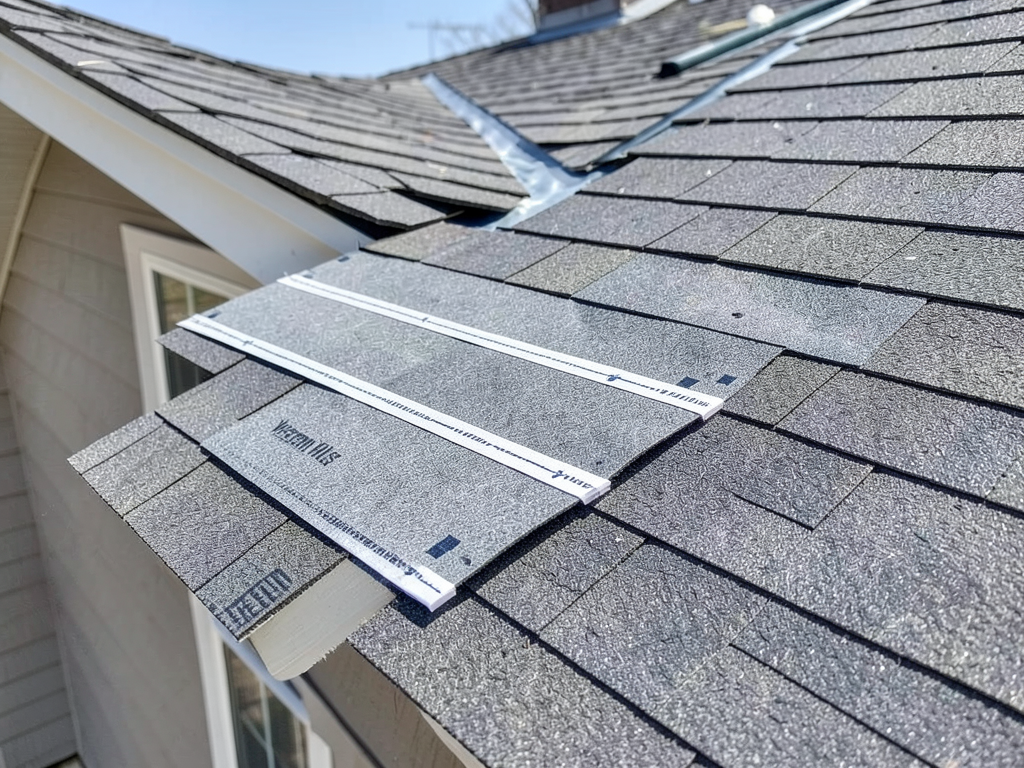
Why your Western Hills home needs high-wind starter shingles even if you aren't in a hurricane zone Your Western Hills…

Why your Western Hills home needs high-wind starter shingles even if you aren't in a hurricane zone

Why your Western Hills home needs high-wind starter shingles even if you aren't in a hurricane zone Your Western Hills…

Understanding the structural limits of your older Norwood roof before switching to heavy clay tiles

Understanding the structural limits of your older Norwood roof before switching to heavy clay tiles Norwood’s charming older homes built…

The best roofing colors for a Dutch Colonial home in the Gaslight District of Clifton

Choosing the Perfect Roof Color for Your Dutch Colonial Home in Clifton The gambrel roof of your Dutch Colonial home…

Contact Us

Water damage compounds fast. Call First Choice Roofing Cincinnati at (513) 223-5511 now to schedule your cricket inspection. We will show you exactly why water is pooling and what it takes to fix it permanently.