Menu

Signs You Need a New Roof in Cincinnati – Recognize the Warning Signs Before Costly Damage Strikes

Learn how to spot critical indicators for roof replacement before minor issues escalate into expensive structural damage, water intrusion, or emergency repairs across greater Cincinnati.

Slider Image 1
Slider Image 2
Slider Image 3
Slider Image 4
Slider Image 5
Slider Image 7
Slider Image 8
Slider Image 9
Slider Image 10
Slider Image 11

Cincinnati's Climate Creates Unique Roofing Challenges You Can't Ignore

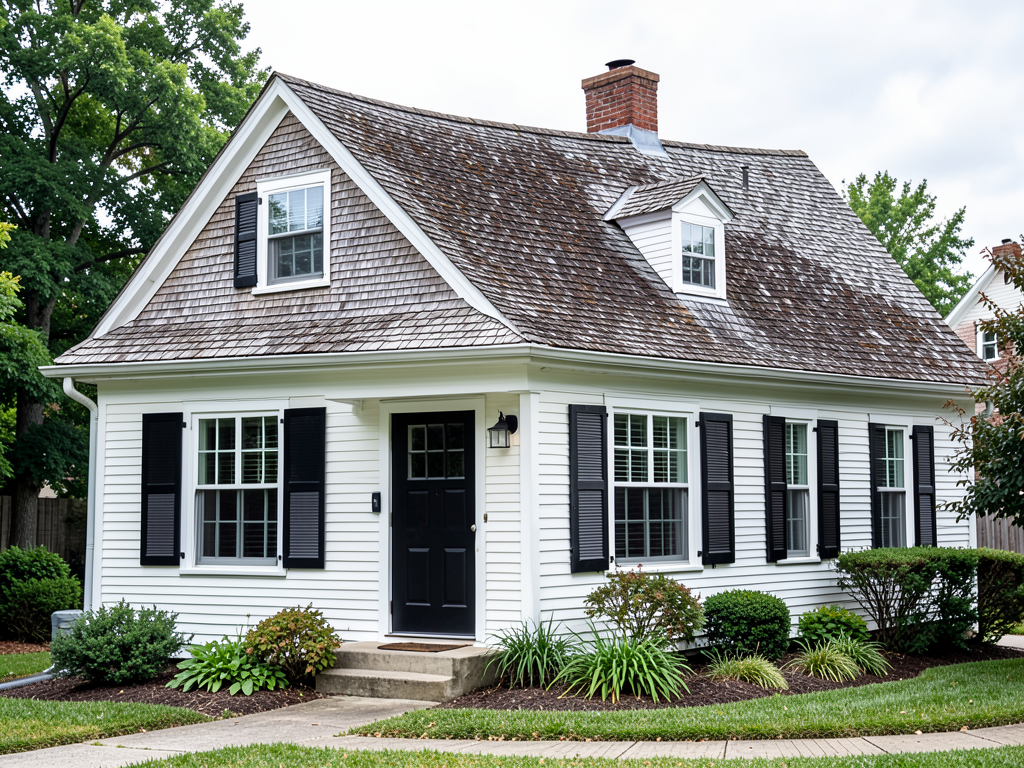
Cincinnati's weather puts your roof through relentless stress. Freeze-thaw cycles during winter months cause shingles to crack and curl. Spring storms dump heavy rain that exposes weak flashing and deteriorated underlayment. Summer heat bakes asphalt shingles, accelerating granule loss and brittleness. Fall brings wind gusts that lift compromised shingles and expose the deck underneath.

The Ohio River Valley humidity creates another problem. Moisture seeps into small cracks and stays there, promoting mold growth and wood rot in your attic and decking. This combination of temperature swings and moisture makes roof failure happen faster here than in more stable climates.

Most homeowners miss the early warning signs of roof failure until water stains appear on their ceiling. By then, the damage extends beyond shingles into the structural components. Understanding symptoms of a failing roof helps you catch problems early, when repairs still make financial sense.

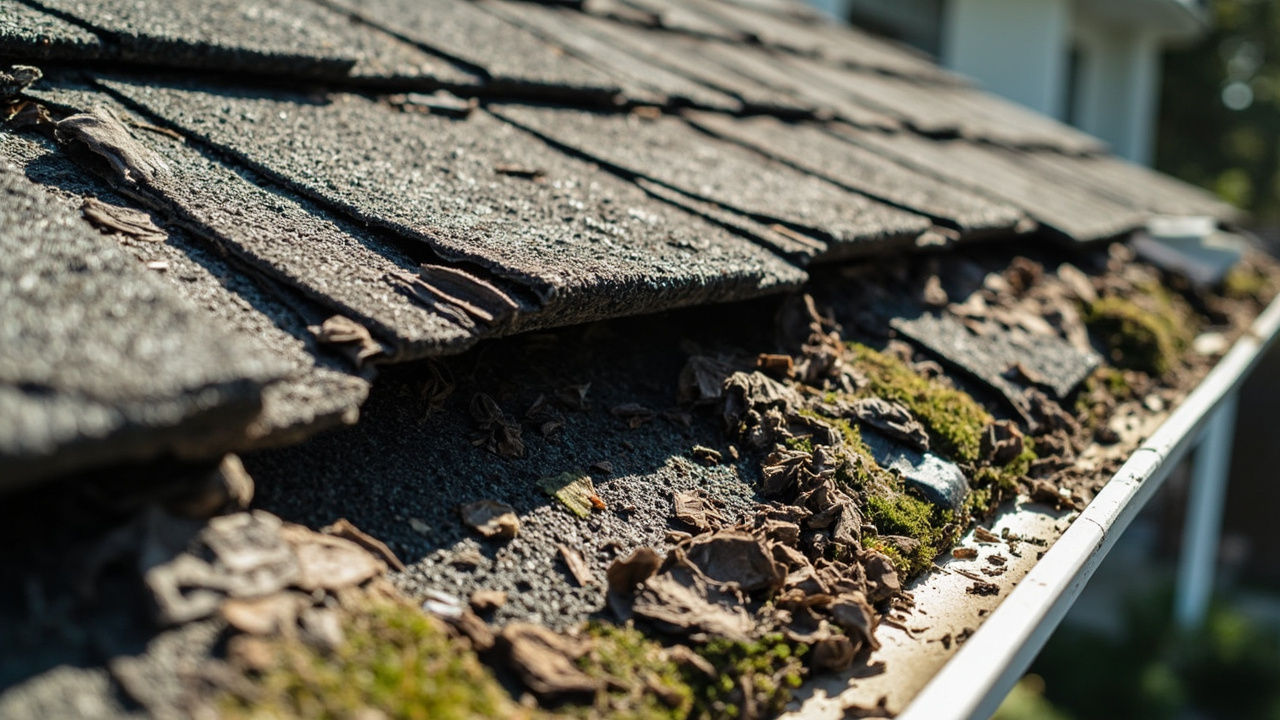
You face a decision point when evidence for roof replacement becomes clear. Missing shingles after a storm, granules collecting in your gutters, daylight visible through roof boards, sagging sections near the ridgeline. These are not cosmetic issues. They signal that your roof system is compromising your home's envelope.

Knowing how to tell if you need a new roof starts with regular visual inspections from the ground and inside your attic. Look for these indicators for roof replacement before the next storm season arrives.

Cincinnati's Climate Creates Unique Roofing Challenges You Can't Ignore
The Technical Assessment Process That Reveals Hidden Roof Damage

The Technical Assessment Process That Reveals Hidden Roof Damage

A proper roof evaluation goes far beyond walking around and looking at shingles. First Choice Roofing Cincinnati uses a systematic inspection protocol that examines every component of your roof system, not just the visible surface layer.

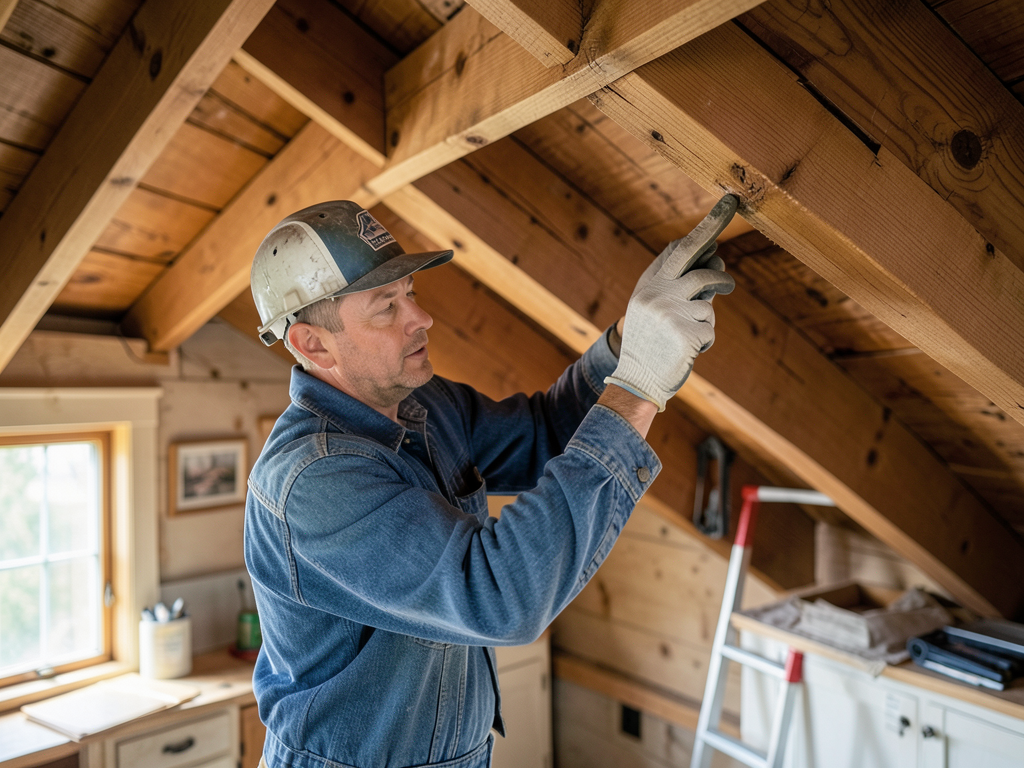
We start with the attic space, where evidence of water intrusion appears first. We look for staining on the underside of the decking, moisture readings in the insulation, and ventilation adequacy. Poor attic ventilation accelerates shingle deterioration from the inside out, something you cannot see from ground level.

On the roof surface, we document the condition of the shingle granules, which protect the asphalt mat from UV damage. When granules wash away, the asphalt becomes brittle and cracks. We check every penetration point where pipes, vents, and chimneys break through the roof plane. These are failure points where flashing separates from the substrate.

We measure the slope and document any areas where water pools after rain. Standing water indicates deck deflection or improper installation, both of which shorten roof lifespan. We inspect the drip edge, step flashing, valley metal, and ridge cap, each of which serves a specific waterproofing function.

Our assessment includes a detailed photo report showing problem areas with measurements and explanations. You receive documentation suitable for insurance claims if storm damage is present. This methodical approach separates professional evaluation from the quick walk-around that misses critical issues hidden beneath the surface layer.

How a Professional Roof Evaluation Works

Signs You Need a New Roof in Cincinnati – Recognize the Warning Signs Before Costly Damage Strikes
01

Interior Attic Inspection

We begin inside your attic, examining the underside of roof decking for water stains, mold growth, and structural sagging. This reveals leaks that have not yet penetrated your ceiling drywall. We use moisture meters to detect trapped water in the insulation and document ventilation deficiencies that accelerate shingle aging. This interior assessment catches problems invisible from outside.
02

Detailed Surface Analysis

From the roof surface, we examine every shingle for cracking, curling, missing granules, and wind damage. We inspect all flashing around chimneys, vents, and skylights for separation or rust. We check valley conditions, measure ponding areas, and document the integrity of ridge caps and drip edges. Each component receives specific attention because failure in one area compromises the entire system.
03

Documentation and Recommendations

You receive a detailed photo report showing all deficiencies, with explanations of how each issue threatens your home. We provide clear repair versus replacement recommendations based on the extent of damage, remaining shingle life, and cost effectiveness. If insurance involvement makes sense, our documentation supports your claim with evidence that adjusters require for proper evaluation and payment authorization.

Why Cincinnati Homeowners Trust Local Roofing Expertise

Roofing contractors from outside the region do not understand Cincinnati's specific challenges. They miss how freeze-thaw cycles affect flashing details. They do not account for how valley moisture promotes algae growth on north-facing slopes. They overlook how wind patterns across the Ohio River create uplift pressure on ridge caps in certain neighborhoods.

First Choice Roofing Cincinnati has evaluated thousands of roofs across Hyde Park, Oakley, Mount Lookout, and surrounding communities. We know which shingle brands hold up best in this climate. We understand local building code requirements for ice and water shield placement, ventilation ratios, and wind resistance ratings.

Our familiarity with Cincinnati's historic home stock matters when you own a property with unique architectural details. We have experience with slate repairs on older homes in Clifton, standing seam metal on Victorian structures in Northside, and cedar shake restoration in Indian Hill. We know which materials match the character of your neighborhood while meeting modern performance standards.

We maintain relationships with local building inspectors and understand permit requirements for different types of roof work. We know which projects need structural engineering review and which can proceed with standard permits. This local knowledge prevents delays and ensures your project meets all regulatory requirements.

When storm damage hits the region, we prioritize existing relationships over out-of-state storm chasers who flood the market. You get scheduled quickly, not added to a list behind hundreds of new customers a traveling crew will never return to service.

What Happens During Your Roof Assessment

Scheduling and Response Time

You can schedule a comprehensive roof evaluation within 48 hours during normal conditions. After major storm events, we prioritize assessments based on active leaks and visible damage severity. Emergency tarping service is available when you have immediate water intrusion. The inspection itself takes 60 to 90 minutes depending on roof complexity, pitch, and access challenges. You receive the written report with photos within 24 hours of the inspection, giving you documentation you need for decision making or insurance filing.

The Evaluation Components

Our assessment includes attic inspection, surface condition analysis, flashing evaluation, ventilation review, and structural integrity check. We use drone photography for steep or multi-story roofs where safe access is limited. We provide shingle samples if you need materials testing for insurance purposes. We measure the roof area and document all penetrations, valleys, hips, and ridges. You get a complete picture of your roof system health, not just a quick opinion about whether you need replacement.

Clear Repair or Replace Guidance

We tell you honestly whether repair makes sense or whether replacement is the smarter investment. If your roof has 60 percent of its service life remaining and damage is localized, repair is appropriate. If widespread deterioration exists or the roof is beyond its design life, replacement prevents throwing money at a failing system. You receive cost estimates for both options when applicable, with explanations of the tradeoffs in durability, warranty coverage, and long-term value.

Post-Inspection Support

After your inspection, we remain available to answer questions as you review the findings. If you file an insurance claim, we can meet with your adjuster to explain the damage documentation. If you proceed with work through our company, the inspection fee applies toward your project cost. We do not pressure you into immediate decisions. Our goal is providing the information you need to make the right choice for your situation and budget.

Frequently Asked Questions

You Have Questions,
We Have Answers

How do you know when it's time to replace your roof? +

You need a roof replacement when you spot multiple warning signs. Check for curling or missing shingles, granules accumulating in gutters, and daylight visible through roof boards. Water stains on ceilings signal leaks. In Cincinnati, freeze-thaw cycles accelerate wear, so look for cracked flashing around chimneys and vents. If your roof is over 20 years old and showing wear, replacement prevents costly interior damage. Sagging sections indicate structural issues requiring immediate attention. Schedule an inspection if you notice several of these issues simultaneously.

What are the signs of a failing roof? +

Failing roofs show distinct patterns. Shingles become brittle, crack, or blow off during storms. You will see dark streaks from algae growth or bare spots where granules wore away. Interior signs include water stains, peeling paint, or mold growth. Cincinnati's humidity and temperature swings stress roofing materials, causing flashing to separate and seals to fail. Sagging rooflines or a spongy feel when walking on the roof indicate decking rot. Higher energy bills can signal ventilation problems. These symptoms often appear together as the system degrades.

How often should a roof be replaced? +

Replacement frequency depends on material and climate exposure. Asphalt shingles last 15 to 25 years in Cincinnati's variable weather conditions. Metal roofs endure 40 to 70 years. Tile and slate can last 50 years or more with proper maintenance. Cincinnati's freeze-thaw cycles and summer storms reduce lifespan compared to milder climates. Annual inspections help you track deterioration. Replace your roof when damage becomes widespread, not just for isolated repairs. Waiting too long allows water infiltration that damages insulation, framing, and interior finishes.

How old should a roof be before it's replaced? +

Most asphalt shingle roofs need replacement between 20 and 25 years. However, age alone does not determine replacement timing. Cincinnati's weather conditions, installation quality, ventilation, and maintenance history all affect longevity. A poorly installed 15-year-old roof may need replacement sooner than a well-maintained 25-year-old system. Inspect roofs over 15 years annually. Look for multiple failing components rather than focusing solely on age. Architectural shingles often outlast basic three-tab versions. Consider replacement when repair costs approach 30 percent of a new roof.

How old may a roof be before insurance claims it's too old? +

Insurance companies typically flag roofs over 20 years old for coverage restrictions. Many carriers will not cover damage to roofs exceeding 25 years. Some insurers switch from replacement cost coverage to actual cash value after 15 years, reducing your payout. Cincinnati homeowners should document roof age and condition during policy renewals. Policies vary significantly, so review your specific coverage terms. Insurance may deny claims if they determine deferred maintenance caused the damage. Replace aging roofs proactively to maintain full coverage and avoid claim disputes.

What time of year is the cheapest to replace a roof? +

Late fall and winter offer the lowest prices for roof replacement in Cincinnati. Demand drops after summer storm season and before spring rushes. Contractors offer discounts to maintain crews during slower periods. However, cold temperatures limit installation options and can affect material performance. Early fall provides the best balance of favorable weather and competitive pricing. Avoid waiting until after storm damage when prices spike and quality contractors book out for months. Plan replacements during moderate weather for optimal installation conditions and reasonable costs.

What is the most expensive part of replacing a roof? +

Labor represents the largest expense in roof replacement, typically 40 to 60 percent of total cost. Tear-off and disposal of existing materials add significant labor hours. Material choice impacts cost substantially. Premium architectural shingles, underlayment, and flashing components increase expenses. Roof complexity matters. Multiple valleys, chimneys, skylights, and steep pitches require more time and specialized techniques. In Cincinnati, adequate ventilation and ice-and-water barrier installation for freeze protection add necessary costs. Structural repairs to decking or framing discovered during tear-off can increase the budget unexpectedly.

Does homeowners insurance pay for a leaky roof? +

Homeowners insurance covers leaky roofs only when sudden, accidental damage causes the leak. Wind, hail, or falling tree damage typically qualifies for coverage. Insurance will not pay for leaks from wear, age, or deferred maintenance. Cincinnati homeowners must prove storm damage caused the leak, not gradual deterioration. Document damage immediately with photos and prompt professional inspection. Insurance adjusters scrutinize roof age and condition. Some policies exclude roofs over a certain age or only provide depreciated value. Review your policy and maintain documentation of regular maintenance.

How much should it cost to fix a roof? +

Minor repairs range from a few hundred dollars for shingle replacement to several thousand for extensive flashing work or decking replacement. Complex repairs approaching 30 percent of replacement cost make full replacement more economical. Cincinnati's weather-related damage varies widely. Simple leak repairs cost less than structural fixes. Get detailed estimates specifying materials and labor. Avoid choosing contractors based solely on price. Quality materials and proper installation prevent recurring issues. Repair costs depend on accessibility, roof pitch, material matching, and damage extent.

Is a 20 year old roof too old? +

A 20-year-old roof is approaching the end of its expected lifespan for standard asphalt shingles. It is not automatically too old but requires close monitoring. Inspect it annually for signs of deterioration. Cincinnati's climate stresses roofing materials, so a 20-year-old roof here shows more wear than in milder regions. Consider replacement if you see multiple failing components, even if some sections look acceptable. Plan financially for replacement within the next few years. Proactive replacement prevents emergency situations and interior damage from unexpected failure.

How Cincinnati's Four-Season Weather Accelerates Roof Deterioration

Cincinnati experiences temperature swings from below freezing to above 90 degrees within the same year. This thermal cycling causes shingles to expand and contract repeatedly, breaking down the asphalt matrix and the adhesive strips that hold shingles in place. Winter ice dams form when heat escapes through inadequate attic insulation, melting snow that refreezes at the eave and forces water under the shingles. Spring storms bring hail that cracks shingles and dents flashing. Summer humidity promotes algae and moss growth that holds moisture against the roof surface. These combined stresses mean roofs in Cincinnati deteriorate faster than the manufacturer's rated lifespan, making regular inspections critical for catching problems before they cause interior damage.

Ohio building codes require specific underlayment and flashing details that contractors unfamiliar with the region often miss. Local inspectors check for proper ice and water shield installation in valleys and at eaves, adequate attic ventilation to prevent moisture buildup, and wind resistance ratings appropriate for our storm patterns. First Choice Roofing Cincinnati stays current with these requirements and understands how they apply to both new construction and re-roofing projects on existing homes. Our crews know the installation details that pass inspection the first time, preventing delays and ensuring your roof meets the standards designed to protect homes in this climate zone.
Roofing Services in The Cincinnati Area

We are proud to serve the entire Cincinnati metro area and surrounding communities, bringing our top-tier roofing expertise right to your neighborhood. Use the map below to visualize our primary service region and get directions to our main office for material samples or in-person consultations. Whether you are downtown or on the outskirts, First Choice Roofing is committed to being your most convenient and reliable local roofing partner. Contact us to confirm service availability at your specific address.

Address:
First Choice Roofing Cincinnati, 2337 Victory Pkwy, Cincinnati, OH, 45206

Additional Services We Offer

Our news updates

Latest Articles & News from The Blogs

Why your Western Hills home needs high-wind starter shingles even if you aren't in a hurricane zone Your Western Hills…

Why your Western Hills home needs high-wind starter shingles even if you aren't in a hurricane zone

Why your Western Hills home needs high-wind starter shingles even if you aren't in a hurricane zone Your Western Hills…

Understanding the structural limits of your older Norwood roof before switching to heavy clay tiles

Understanding the structural limits of your older Norwood roof before switching to heavy clay tiles Norwood’s charming older homes built…

The best roofing colors for a Dutch Colonial home in the Gaslight District of Clifton

Choosing the Perfect Roof Color for Your Dutch Colonial Home in Clifton The gambrel roof of your Dutch Colonial home…

Contact Us

Do not wait for a leak to confirm what you already suspect. Call First Choice Roofing Cincinnati at (513) 223-5511 to schedule your comprehensive roof evaluation. You will receive a detailed report with photos, honest recommendations, and documentation you can use for insurance purposes if needed.