
Menu

TPO vs EPDM Roofing Guide for Cincinnati – Material Comparison Data You Can Trust

Get the technical breakdown of TPO and EPDM performance in Cincinnati's humid climate, including seam strength, membrane durability, and lifespan data to make the right flat roof investment.

Slider Image 1
Slider Image 2
Slider Image 3
Slider Image 4
Slider Image 5
Slider Image 7
Slider Image 8
Slider Image 9
Slider Image 10
Slider Image 11

Why Cincinnati's Climate Makes Your Flat Roof Material Choice Critical

You are staring at two flat roofing options and wondering which one survives Cincinnati better. The difference between TPO and EPDM is not just about the price tag. It is about how each membrane responds to the freeze-thaw cycles, summer humidity, and ponding water that flat roofs in the Greater Cincinnati metro deal with year after year.

TPO is thermoplastic polyolefin, a heat-welded membrane that creates watertight seams. EPDM is ethylene propylene diene monomer, a rubber roofing material that uses adhesive or tape seams. Both systems perform well on commercial and residential flat roofs in Cincinnati, but the TPO vs EPDM pros and cons shift depending on your building's exposure, drainage, and budget.

Cincinnati sits in a humid continental climate zone where summer heat can push surface temperatures on a flat roof past 160 degrees. Winter lows drop below freezing, causing contraction and expansion in roofing membranes. Flat roofs in neighborhoods like Over-the-Rhine, Clifton, and Hyde Park experience ponding water after heavy rain because of slower drainage on low-slope or completely flat surfaces.

The EPDM vs TPO cost comparison also depends on whether your roof has parapets, HVAC penetrations, or complex drainage. TPO requires trained installers who know how to hot-air weld seams correctly. EPDM is more forgiving during installation but relies on adhesive bond strength that can degrade if water intrusion occurs.

Understanding the TPO or EPDM for flat roof decision starts with knowing how each material reacts to your specific building conditions in Cincinnati.

Why Cincinnati's Climate Makes Your Flat Roof Material Choice Critical
How TPO and EPDM Membranes Perform on Cincinnati Flat Roofs

How TPO and EPDM Membranes Perform on Cincinnati Flat Roofs

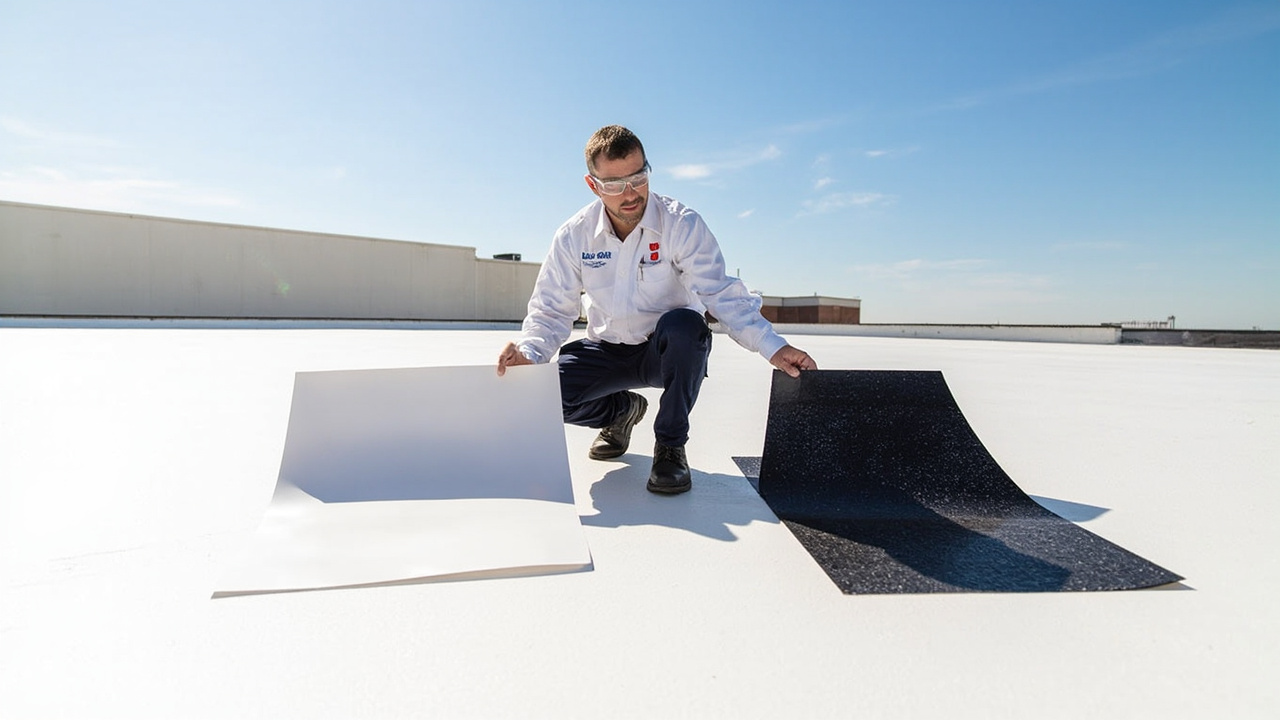
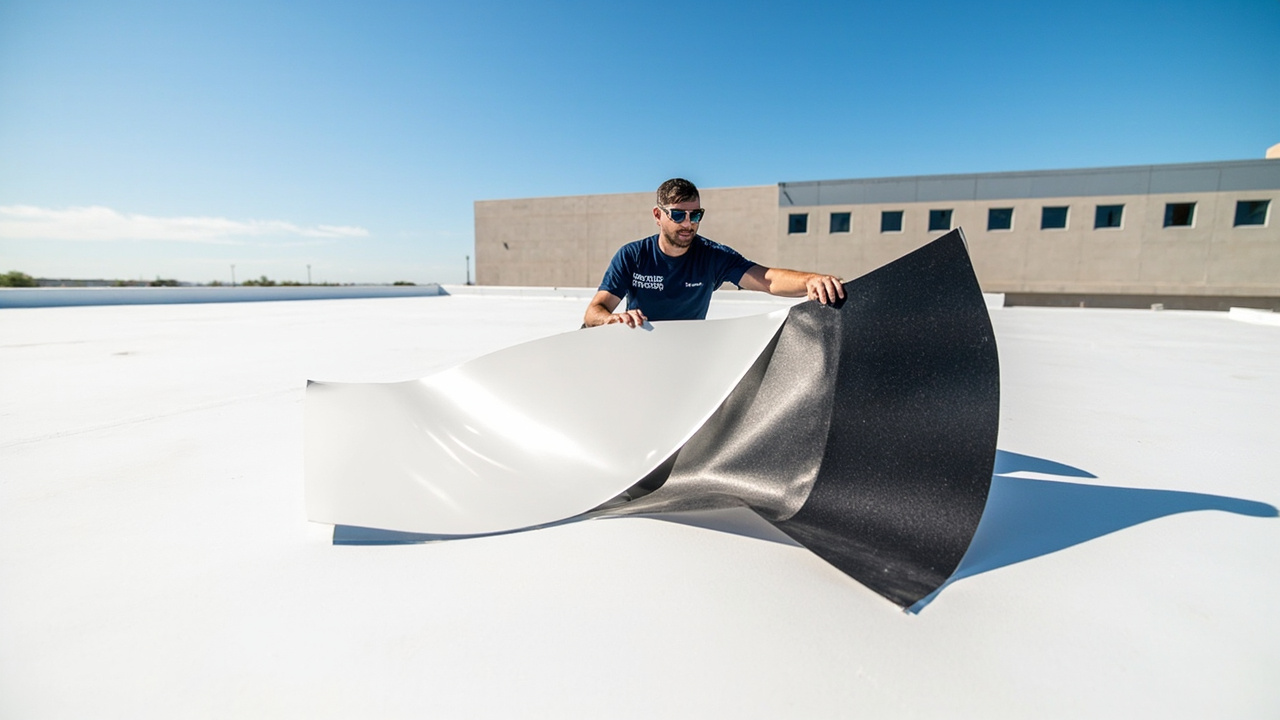
TPO membranes are white or light gray, which reflects solar radiation and keeps surface temperatures lower in summer. The heat-welded seams create a monolithic surface that resists water infiltration better than adhesive seams. TPO membranes are 45, 60, or 80 mils thick, and the seam strength often exceeds the membrane tensile strength when installed correctly.

EPDM membranes are black rubber that absorbs heat but can also be purchased in white if reflectivity matters. EPDM seams use tape or liquid adhesive, which works well if the surface prep is clean and dry. EPDM membranes are typically 45 or 60 mils thick and offer excellent puncture resistance. The material flexibility allows EPDM to handle thermal movement without cracking.

Cincinnati roofing contractors see TPO failures when seams are improperly welded or when installers rush through the quality control process. A weak seam will separate under thermal stress or wind uplift. EPDM failures happen when ponding water sits on the roof for extended periods and degrades the adhesive bond, or when seam tape loses its grip due to contamination during installation.

Flat roofs in Cincinnati also deal with HVAC equipment, which creates foot traffic and potential puncture risks. EPDM handles this better because of its rubber composition. TPO requires walk pads or protective layers around high-traffic zones.

Both materials last 20 to 30 years in Cincinnati if the installation is done right and the roof gets regular inspections. The thermoplastic polyolefin vs rubber roofing choice is not about one being superior. It is about matching material properties to your building's needs.

How to Evaluate TPO and EPDM for Your Cincinnati Flat Roof

TPO vs EPDM Roofing Guide for Cincinnati – Material Comparison Data You Can Trust
01

Roof Inspection and Analysis

We inspect your existing flat roof to identify drainage issues, substrate condition, and insulation thickness. Cincinnati flat roofs often have ponding water problems that affect material selection. We measure roof slope, note all penetrations like HVAC units and vents, and assess whether your deck can support the weight of either membrane system. This analysis determines which material fits your building.
02

Material Performance Comparison

We compare TPO and EPDM performance data specific to Cincinnati's climate conditions. You get seam strength numbers, thermal expansion rates, and reflectivity data. We explain how each membrane handles freeze-thaw cycling, UV exposure, and foot traffic. This step includes cost breakdowns for material, labor, and long-term maintenance so you understand the total investment difference between the two systems.
03

Installation Method Review

We walk you through the installation process for both TPO and EPDM systems. TPO requires hot-air welding equipment and skilled seam technicians. EPDM uses adhesive or mechanical attachment with seam tape. You see how each method affects project timeline, weather sensitivity, and quality control steps. This transparency helps you choose the system that matches your building schedule and roof complexity.

Why Cincinnati Building Owners Trust First Choice Roofing for Flat Roof Material Selection

Flat roof failures in Cincinnati are expensive because water damage spreads fast once a membrane fails. You need a roofing contractor who understands how TPO and EPDM respond to local weather patterns, not generic advice from a national chain.

First Choice Roofing Cincinnati has installed both TPO and EPDM systems on commercial buildings, multi-family properties, and residential flat roofs throughout Hamilton County. We know which manufacturers produce membranes that perform in humid climates. We also know which installation errors cause callbacks and leaks.

Cincinnati's building codes require specific insulation R-values and drainage standards for flat roofs. TPO and EPDM installations must meet these codes while also addressing real-world challenges like HVAC equipment placement, parapet wall flashing, and roof drain tie-ins. We handle the technical details so you do not end up with ponding water or premature membrane failure.

We also work with property managers who need detailed maintenance plans for TPO or EPDM roofs. Regular inspections catch small problems before they turn into full membrane replacements. Our technicians understand how Cincinnati's freeze-thaw cycles affect seam integrity and membrane adhesion.

Choosing between TPO and EPDM is not a guessing game when you work with a contractor who has installed both systems across Cincinnati's diverse building stock. We have worked on flat roofs in Downtown Cincinnati, Norwood, and West Chester. Each project taught us how different building types and roof configurations affect membrane performance.

You get honest data on material costs, labor rates, and expected lifespan for both systems. No upselling. No scare tactics. Just clear information so you can make the right investment.

What to Expect When Choosing Between TPO and EPDM in Cincinnati

Initial Consultation Timeline

Your roof inspection and material comparison analysis takes one to two days. We measure your roof, photograph problem areas, and document drainage issues. You receive a written report comparing TPO and EPDM performance for your specific building. This report includes cost estimates for both systems, installation timelines, and maintenance requirements. We answer your questions about seam types, membrane thickness, and warranty coverage. You get the data you need to choose confidently.

Material Selection Process

We walk you through TPO and EPDM manufacturer options, membrane thicknesses, and attachment methods. You see samples of both materials and understand how seam construction differs between the systems. We explain how Cincinnati's climate affects each membrane and which material handles your roof's specific challenges better. If your building has heavy foot traffic, we recommend EPDM. If reflectivity and energy savings matter, we discuss TPO's advantages. The choice is yours, backed by performance data.

Installation Quality Assurance

TPO installations include electronic seam testing to verify every welded joint meets manufacturer standards. EPDM installations include adhesive coverage checks and seam tape inspection. We photograph the installation process and provide documentation of substrate prep, insulation installation, and membrane attachment. You receive a project completion report with thermal imaging scans that confirm no moisture intrusion points exist. Our quality control process eliminates guesswork and ensures your flat roof performs as expected.

Post-Installation Support

Your new TPO or EPDM roof includes a detailed maintenance plan specific to Cincinnati's climate. We schedule annual inspections to check seam integrity, drainage function, and membrane condition. These inspections catch minor problems before they require expensive repairs. You receive a written report after each inspection with photos and repair recommendations. We also provide emergency service if storm damage or equipment failure damages your roof. Regular maintenance extends the lifespan of both TPO and EPDM systems significantly.

Frequently Asked Questions

You Have Questions,
We Have Answers

How Cincinnati's Humidity and Freeze-Thaw Cycles Affect TPO vs EPDM Roofing Decisions

Cincinnati's humid summers and cold winters create expansion and contraction stress in flat roofing membranes. TPO membranes expand more than EPDM when temperatures rise, which can stress seams if the installation does not account for thermal movement. EPDM stays flexible in cold weather better than TPO, which can become brittle in extreme cold snaps. Flat roofs in neighborhoods near the Ohio River also deal with higher humidity levels that affect adhesive curing times during EPDM installations. Choosing the right material means understanding how Cincinnati's weather patterns interact with membrane chemistry.

Commercial property owners in Cincinnati rely on flat roofing contractors who understand local building codes and drainage requirements. Hamilton County requires specific flashing details around roof penetrations and parapet walls. TPO and EPDM installations must meet these standards while also handling real-world challenges like ponding water after heavy rain. First Choice Roofing Cincinnati works with local building inspectors regularly and knows which installation details prevent callbacks. Choosing a local contractor means you get someone who understands Cincinnati's building environment, not a national chain following a generic playbook.
Roofing Services in The Cincinnati Area

We are proud to serve the entire Cincinnati metro area and surrounding communities, bringing our top-tier roofing expertise right to your neighborhood. Use the map below to visualize our primary service region and get directions to our main office for material samples or in-person consultations. Whether you are downtown or on the outskirts, First Choice Roofing is committed to being your most convenient and reliable local roofing partner. Contact us to confirm service availability at your specific address.

Address:
First Choice Roofing Cincinnati, 2337 Victory Pkwy, Cincinnati, OH, 45206

Additional Services We Offer

Our news updates

Latest Articles & News from The Blogs

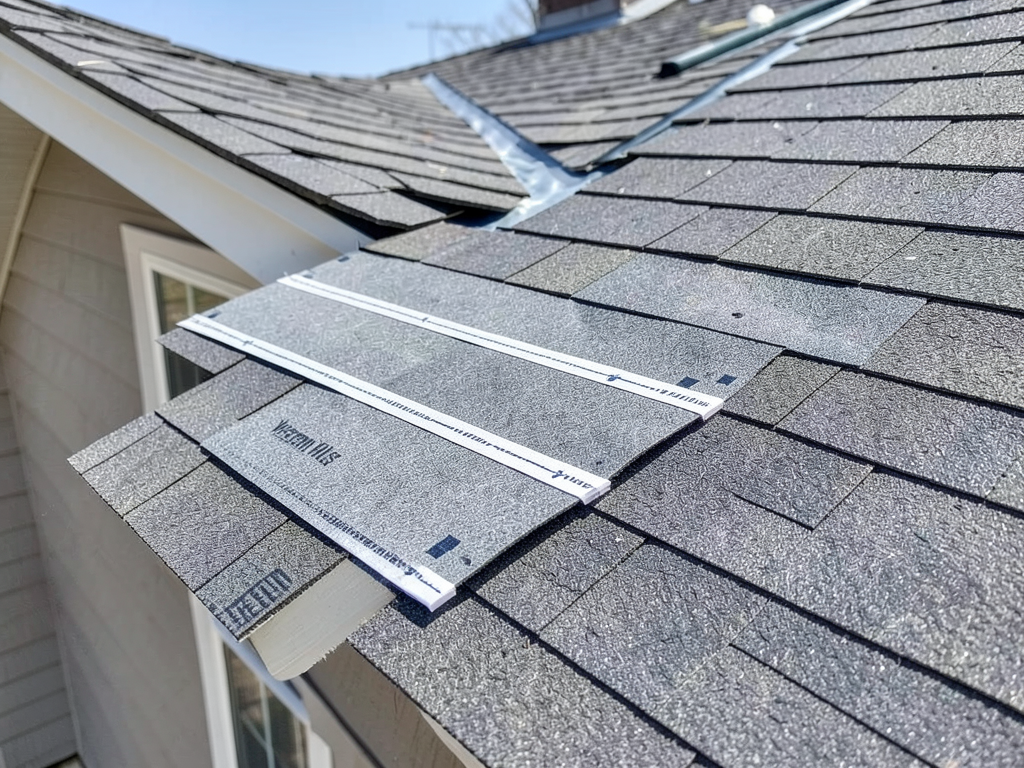
Why your Western Hills home needs high-wind starter shingles even if you aren't in a hurricane zone Your Western Hills…

Why your Western Hills home needs high-wind starter shingles even if you aren't in a hurricane zone

Why your Western Hills home needs high-wind starter shingles even if you aren't in a hurricane zone Your Western Hills…

Understanding the structural limits of your older Norwood roof before switching to heavy clay tiles

Understanding the structural limits of your older Norwood roof before switching to heavy clay tiles Norwood’s charming older homes built…

The best roofing colors for a Dutch Colonial home in the Gaslight District of Clifton

Choosing the Perfect Roof Color for Your Dutch Colonial Home in Clifton The gambrel roof of your Dutch Colonial home…

Contact Us

Stop guessing about TPO vs EPDM. Call First Choice Roofing Cincinnati at (513) 223-5511 for a detailed roof inspection and material performance comparison. You get honest data, not a sales pitch. Schedule your consultation now.