Menu

Can You Roof Over Existing Shingles in Cincinnati? – Expert Code Compliance and Structural Assessment

Before you consider a shingle overlay or roof layover, Cincinnati building codes and your roof deck condition determine if installing new shingles over old ones is even legal or safe for your home.

Slider Image 1
Slider Image 2
Slider Image 3
Slider Image 4
Slider Image 5
Slider Image 7
Slider Image 8
Slider Image 9
Slider Image 10
Slider Image 11

Why Cincinnati Homeowners Ask About Reroofing Over Existing Shingles

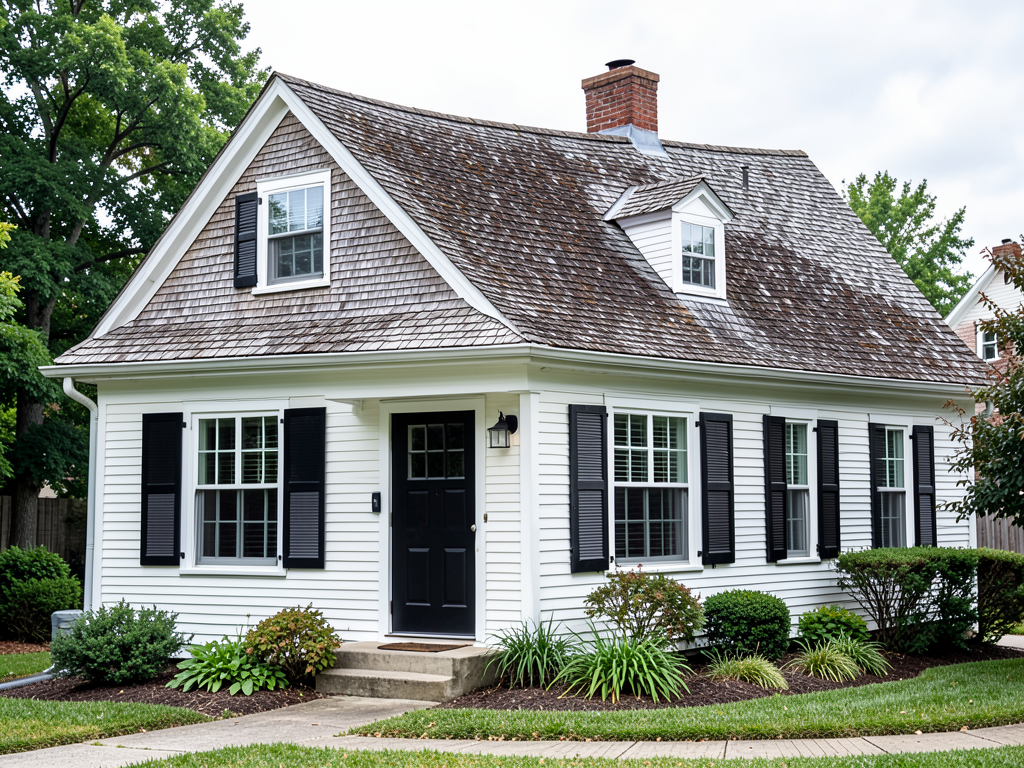
You see the curling edges and missing granules, and the quotes for a full tear-off feel steep. The question forms naturally: can you just add a second layer of shingles and call it done?

In Cincinnati, the answer is more complicated than a simple yes or no. Ohio building codes allow a maximum of two layers of asphalt shingles on a residential roof, but that is only the starting point. Your specific situation depends on the structural integrity of your roof deck, the condition of the existing shingles, and whether your home can handle the additional weight load.

Cincinnati's freeze-thaw cycles create hidden problems. Water infiltrates damaged shingles, freezes in winter, expands, and degrades the wood decking underneath. When you perform a shingle overlay without addressing this rot, you are layering new material over compromised substrate. The new shingles look fine for six months, then start sagging where the decking fails.

The humidity here compounds the issue. Trapped moisture between two shingle layers cannot escape. This creates an environment where mold grows on the underside of your new roof, and you will not see it until the damage spreads to your attic insulation or ceiling drywall.

Most homeowners focus on the cost savings of a roof layover, but the real question is whether your existing roof qualifies structurally. If you already have two layers, code requires a full tear-off. If your decking shows any soft spots during inspection, a layover becomes a liability. The short-term savings evaporate when you need emergency repairs eighteen months later because the foundation was never sound.

Why Cincinnati Homeowners Ask About Reroofing Over Existing Shingles
How Proper Roof Deck Inspection Determines Overlay Viability

How Proper Roof Deck Inspection Determines Overlay Viability

The difference between a successful shingle overlay and a premature failure comes down to what happens before the first new shingle goes down. You need a structural assessment, not a surface-level estimate.

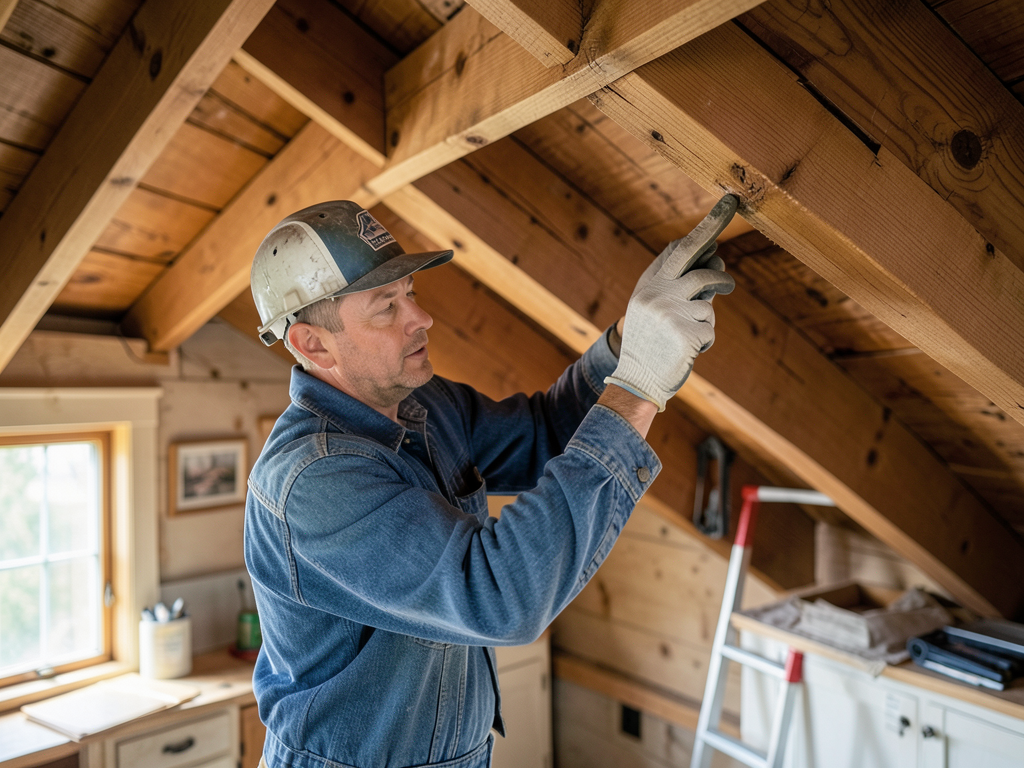
We start by walking your roof and performing a probe test on the decking. A probe tool penetrates through the existing shingles at multiple points to check for soft spots, rot, or delamination in the plywood or OSB sheathing. If the probe sinks easily, the decking is compromised. No overlay can fix that.

Next, we measure the existing roof slope and calculate the additional weight load. Adding a second layer of architectural shingles adds roughly 250 pounds per roofing square. Your trusses and rafters were engineered for a specific load. In older Cincinnati homes, particularly those built before 1980, the framing may not support the extra weight without reinforcement. We check truss spacing and load-bearing capacity before recommending reroofing over existing shingles.

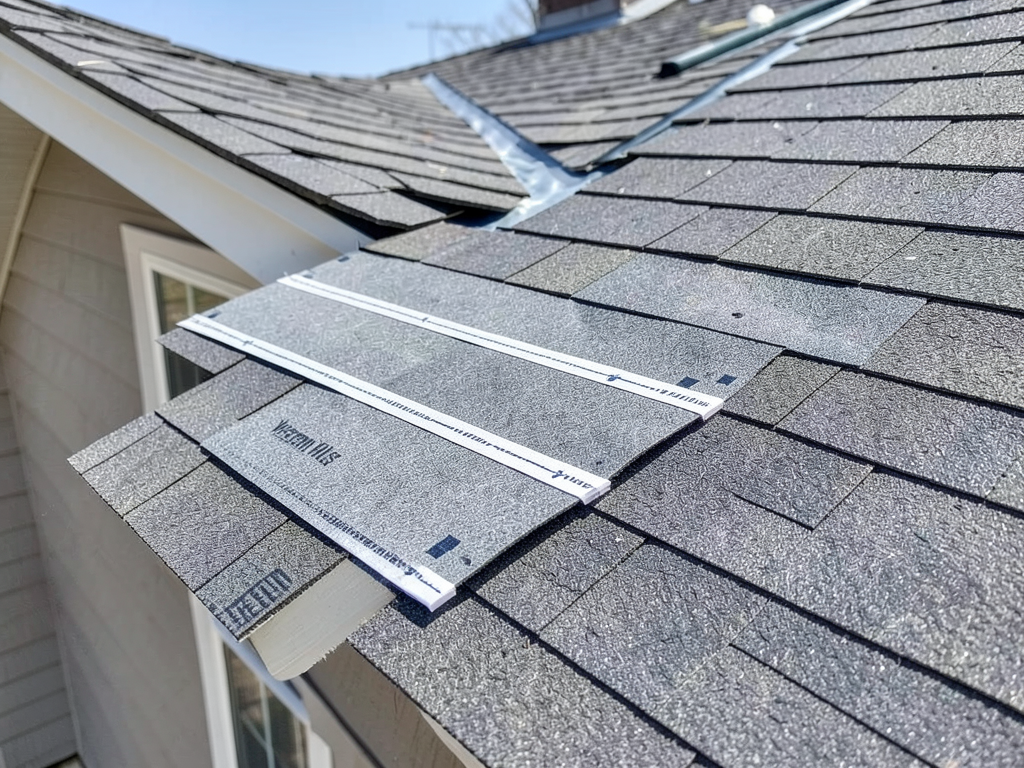
We also inspect the flashing around chimneys, vent pipes, and valleys. Flashing is the most common failure point on layover jobs because installers leave old, degraded flashing in place. Water finds the gaps within months. First Choice Roofing Cincinnati replaces all step flashing and counter flashing during an overlay, even though it adds labor time. The alternative is a callback for a leak repair that could have been prevented.

Finally, we evaluate ventilation. Adding a second layer reduces air circulation in your attic if the ridge vent or soffit vents are undersized. Poor ventilation shortens shingle lifespan by trapping heat and moisture. We calculate ventilation requirements and upgrade vents if necessary before installing new shingles over old ones.

What Happens During a Shingle Overlay Evaluation in Cincinnati

Can You Roof Over Existing Shingles in Cincinnati? – Expert Code Compliance and Structural Assessment
01

Initial Roof Inspection

We begin with a detailed roof and attic inspection to assess decking condition, existing shingle wear, and structural integrity. This includes moisture meter readings on the decking, truss inspection, and documentation of any soft spots or rot. You receive photos and a written assessment that explains whether your roof qualifies for a layover under Cincinnati building codes and structural standards.
02

Code Compliance Review

We verify your home does not already have two shingle layers and confirm your roof slope meets the minimum requirement for overlay installation. We also review permit requirements with the local building department to ensure your project meets all regulations. If your home is in a historic district or HOA-restricted area, we coordinate approval before moving forward with reroofing over existing shingles.
03

Recommendation and Planning

You get a clear recommendation: overlay, partial tear-off, or full replacement. We explain the lifespan difference, warranty implications, and long-term costs of each option. If an overlay is viable, we outline the installation plan, including flashing upgrades, ventilation improvements, and fastener specifications. You make the decision with complete information, not sales pressure or wishful thinking about cost savings.

Why Cincinnati Homeowners Trust Local Expertise for Overlay Decisions

National chains push shingle overlays because they are faster to install and cheaper to bid. They do not live with the consequences when the roof fails early, and they are not accountable to the Cincinnati community when a homeowner needs emergency repairs two years later.

First Choice Roofing Cincinnati operates differently. We are rooted in this market. Our reputation depends on recommending the right solution, not the most profitable one. When we tell you a full tear-off is necessary, it is because we found structural issues that an overlay would hide. When we approve an overlay, it is because your roof passed the inspection criteria that protect your investment.

We understand the specific challenges Cincinnati weather creates. The temperature swings between January cold snaps and August heat waves stress roofing materials more than temperate climates. We know which shingle manufacturers hold up best in this environment and which fastening patterns prevent blow-offs during spring storms. That knowledge comes from thousands of local installations, not a training manual written for generic conditions.

We also navigate the permitting process with the local building department. Some Cincinnati neighborhoods require permits for overlays, others do not. Historic districts have additional restrictions. We handle the paperwork and inspections so you avoid code violations that surface during a future home sale.

The other advantage of working with a local contractor is accountability. If an issue develops, we are fifteen minutes away, not routing your call through a national service center. You get a direct line to the crew chief who managed your project. That matters when you need fast answers or a warranty claim.

What to Expect When Considering a Roof Layover

Inspection Timeline

The initial roof assessment takes 60 to 90 minutes. We schedule inspections within 48 hours of your call in most cases. You receive a written report with photos within 24 hours of the inspection, outlining whether a shingle overlay is viable or if a full tear-off is required. If we find borderline conditions, we explain the risks of each option so you can weigh cost against longevity. Rush inspections are available for time-sensitive situations like pending home sales.

Structural and Code Assessment

We perform a multi-point inspection that includes decking integrity, fastener pull-through resistance, truss load capacity, and flashing condition. We also verify compliance with Ohio building codes for maximum shingle layers and slope requirements. If your home has architectural features like dormers or complex valleys, we assess whether these areas can support an overlay without creating water trapping points. The evaluation is thorough because a missed soft spot leads to callbacks and customer dissatisfaction.

Installation Quality Standards

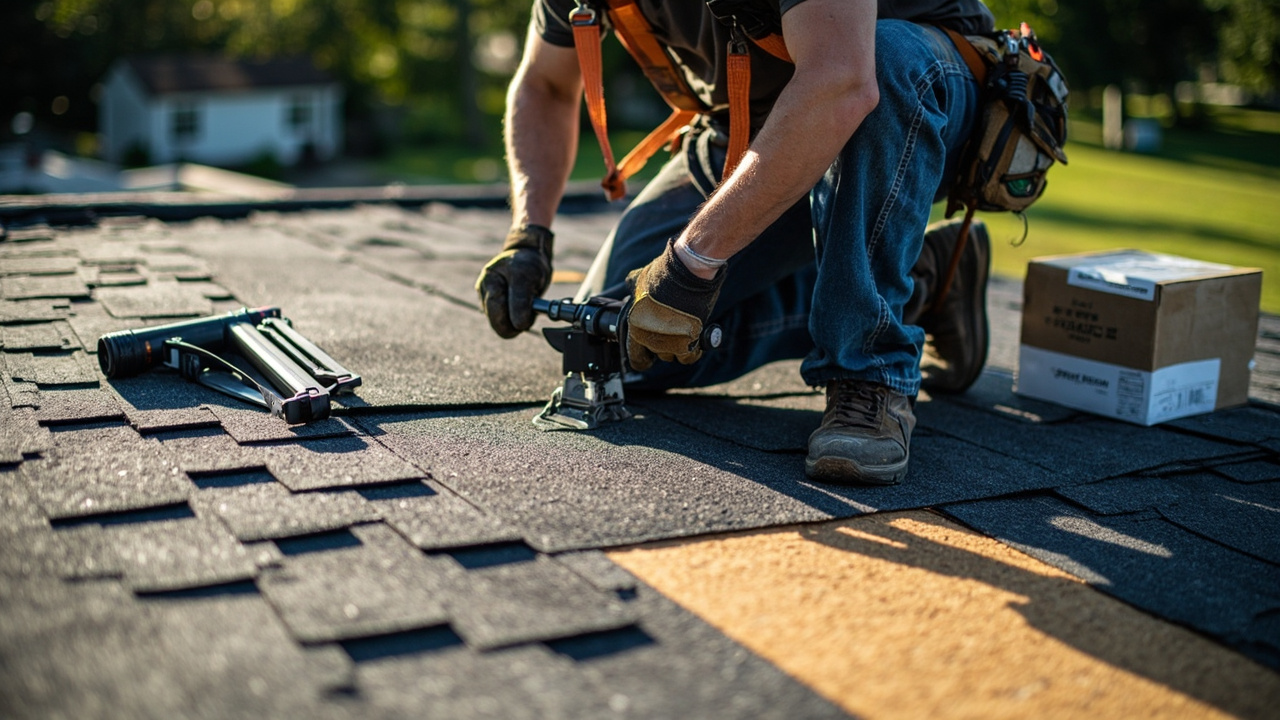
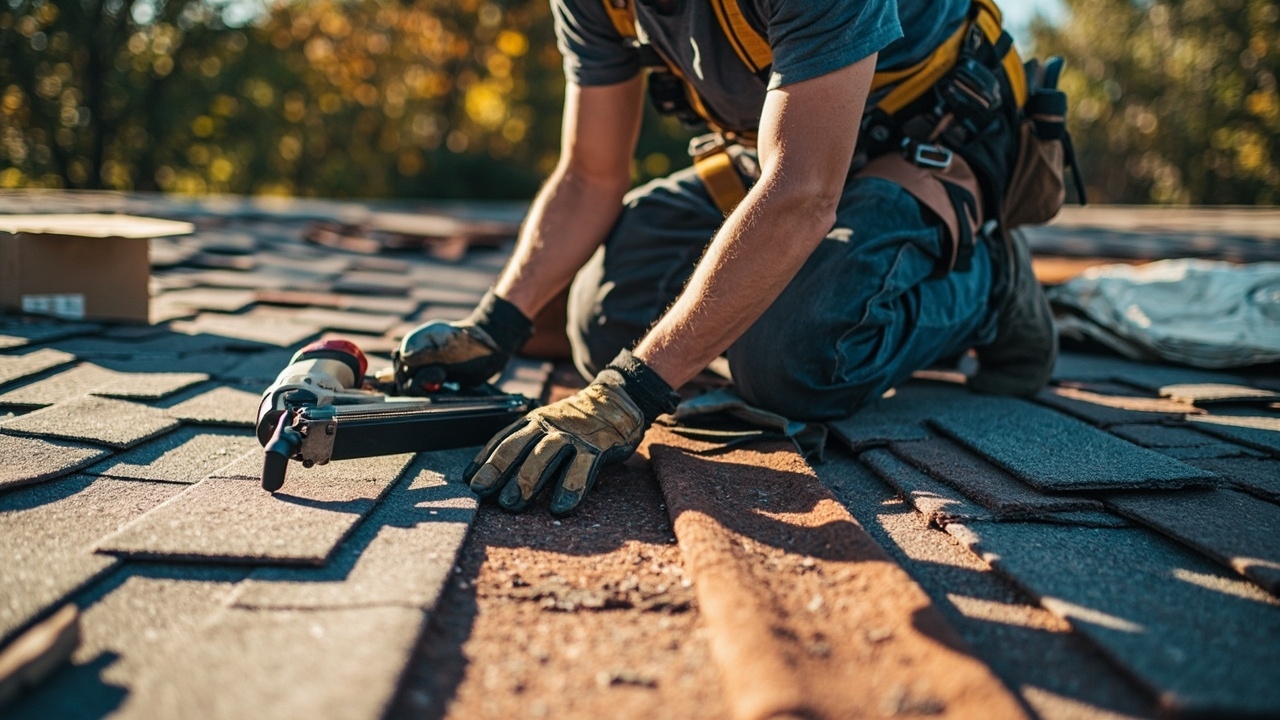
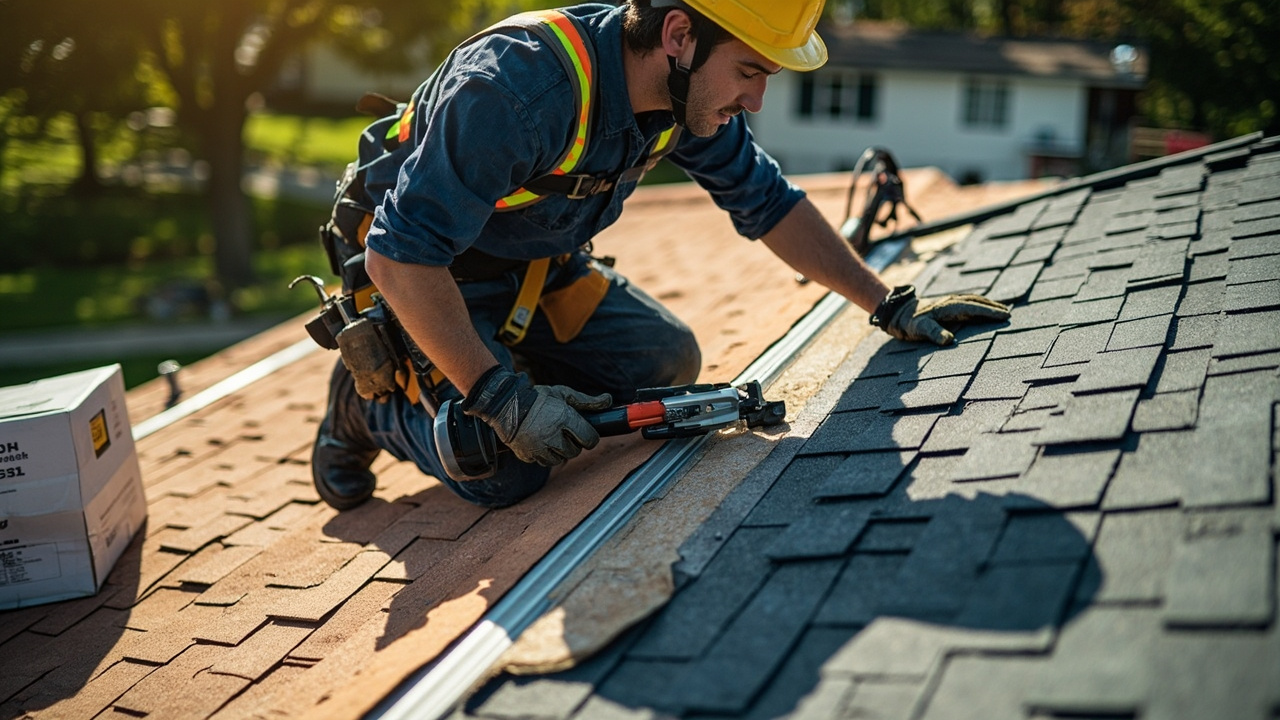
If we move forward with reroofing over existing shingles, we replace all flashing, upgrade ventilation as needed, and use high-penetration fasteners designed for overlay applications. We hand-nail valleys and edges for superior holding power. The new shingles are aligned to avoid telegraph lines from the old layer underneath. You get a roof that looks clean from the street and performs reliably through Cincinnati's weather extremes. Shortcuts save time but cost you in premature failure.

Warranty Considerations

Most shingle manufacturers reduce their warranty coverage on overlay installations compared to tear-off replacements. We explain these limitations upfront so you understand the trade-off between cost savings and long-term protection. Our workmanship warranty remains the same regardless of installation method, but material warranties may differ. We also discuss how an overlay impacts future roof replacement costs, since the next contractor will need to remove two layers instead of one. Full transparency prevents surprises down the road.

Frequently Asked Questions

You Have Questions,
We Have Answers

Can I put a new roof over old shingles? +

In Cincinnati, you can install new shingles over one existing layer if the roof deck is sound and local building codes permit it. Most jurisdictions allow two total layers maximum. However, this approach hides potential deck rot, traps moisture, and adds weight stress to your structure. Cincinnati's freeze-thaw cycles and humid summers can accelerate hidden damage under double layers. A full tear-off lets you inspect the decking, replace damaged wood, and install proper underlayment. This method extends roof life and prevents costly surprises down the road.

How to reroof a roof without removing old shingles? +

Reroofing over existing shingles starts with a thorough inspection of the current roof surface. Remove ridge caps and damaged shingles first. Install drip edge along eaves and rakes, then lay starter strips over the old shingles. Nail new shingles directly through both layers into the deck below. Ensure proper overlap and alignment. In Cincinnati, check for moisture damage or sagging before starting. This method skips tear-off labor but sacrifices the chance to inspect and repair the underlying deck. Always verify local building code compliance before proceeding.

Do roofers always remove old shingles? +

No, roofers do not always remove old shingles. The decision depends on the roof's condition, the number of existing layers, and local code requirements. Many Cincinnati roofers recommend full tear-offs because they reveal hidden issues like rotted decking, failed flashing, or ventilation problems. Removing old shingles also reduces weight and improves roof lifespan. However, if the budget is tight and only one layer exists, some contractors offer overlay installations. A reputable roofer will assess your specific situation and recommend the best approach for long-term performance.

Are roof overs a good idea? +

Roof overs can save money upfront but often create problems later. They hide structural damage, trap moisture, and add weight to your home. Cincinnati's climate with heavy spring rains and winter ice can worsen hidden rot under double layers. You also lose the chance to upgrade ventilation or install modern underlayment like ice and water shield. Most manufacturers void warranties on overlay installations. If you plan to stay in your home long-term, a full tear-off protects your investment better and avoids compounding issues that become expensive repairs.

Is it cheaper to put new shingles over old shingles? +

Yes, installing new shingles over old ones costs less initially because you skip tear-off labor and disposal fees. You save on dumpster rental and reduce project time by one to two days. However, this short-term savings comes with trade-offs. You cannot inspect or repair the roof deck, and the added weight stresses your structure. In Cincinnati, where storm damage and moisture issues are common, hidden problems worsen under the second layer. Long-term costs often exceed initial savings when you face premature failure or need a full replacement sooner.

How long will a roof overlay last? +

A roof overlay typically lasts 15 to 20 years, which is shorter than a full tear-off and replacement. The second layer cannot bond as well to old shingles as new shingles bond to clean decking. Cincinnati's temperature swings and humidity accelerate wear on double-layered roofs. Trapped moisture between layers causes faster deterioration. Manufacturer warranties are often reduced or voided on overlays. If the underlying deck has hidden damage, the overlay fails even sooner. A full tear-off with proper installation typically lasts 25 to 30 years or more.

Is a roof overlay worth it? +

A roof overlay is rarely worth it for homeowners planning to stay long-term. You save money now but sacrifice durability and hidden problem detection. Cincinnati's weather stresses roofs with freeze-thaw cycles, high humidity, and occasional severe storms. An overlay masks these issues until they become catastrophic. It also complicates future repairs and reduces your home's resale value. Inspectors and buyers flag double-layered roofs as deferred maintenance. If your budget allows, invest in a full tear-off. You gain peace of mind, better warranties, and a roof that protects your home properly.

Can you match 20 year old shingles? +

Matching 20-year-old shingles is difficult because manufacturers discontinue colors and styles regularly. UV exposure and weathering also change shingle appearance over time. Even if you find the same product line, new shingles look brighter and different next to aged ones. For Cincinnati homes, mismatched patches stand out and hurt curb appeal. If you need extensive repairs, consider replacing the entire visible plane or the whole roof. Partial replacements often look patchy and create warranty complications. A full replacement gives you uniform color and updated protection.

How old may a roof be before insurance claims it's too old? +

Most insurance companies in Cincinnati consider roofs over 20 years old as high-risk. Policies may require inspections, charge higher premiums, or limit coverage to actual cash value instead of replacement cost. Roofs 25 years or older often face non-renewal or claim denials for wind and hail damage. Carriers view aged roofs as maintenance issues, not insurable losses. If your roof approaches 15 years, document its condition and consider proactive replacement. This protects your insurability and prevents claim disputes after storm damage occurs.

How much does it cost to replace 1000 sq ft of roof? +

Roof replacement costs vary based on materials, pitch, and complexity. For a 1000 square foot roof in Cincinnati, expect to pay between $4,000 and $8,000 for asphalt shingles with full tear-off. Steeper pitches, multiple chimneys, or premium materials increase costs. Overlay installations run slightly cheaper but sacrifice long-term value. Labor rates in the Cincinnati metro area, disposal fees, and permit costs also factor in. Always get multiple written estimates and verify contractor credentials. Cheapest bids often cut corners on underlayment, flashing, or decking repairs that matter for roof longevity.

How Cincinnati's Freeze-Thaw Cycles Impact Shingle Overlay Decisions

Cincinnati experiences an average of 50 freeze-thaw cycles each winter. Water penetrates small cracks in aged shingles, freezes overnight when temperatures drop below 32 degrees, expands, and widens the gaps. When you install new shingles over old ones without addressing this damage, the compromised substrate continues deteriorating underneath. The freeze-thaw action does not stop just because you added a top layer. By the second winter, the expansion and contraction stresses transfer to the new shingles, causing premature cracking and granule loss. A roof layover only succeeds if the existing layer is still structurally sound, and Cincinnati's winter weather rarely leaves old shingles in that condition.

Local building inspectors in Hamilton County pay close attention to overlay installations because they see the failures that result from cutting corners. Contractors who skip the decking inspection or ignore soft spots create liability for homeowners when those roofs fail inspection during a sale. First Choice Roofing Cincinnati maintains strong relationships with local inspectors because we follow code requirements and document our assessments. When you work with a contractor who understands Cincinnati's specific regulations and inspection standards, you avoid complications that delay closings or force expensive rework. Local expertise protects your investment and your timeline.
Roofing Services in The Cincinnati Area

We are proud to serve the entire Cincinnati metro area and surrounding communities, bringing our top-tier roofing expertise right to your neighborhood. Use the map below to visualize our primary service region and get directions to our main office for material samples or in-person consultations. Whether you are downtown or on the outskirts, First Choice Roofing is committed to being your most convenient and reliable local roofing partner. Contact us to confirm service availability at your specific address.

Address:
First Choice Roofing Cincinnati, 2337 Victory Pkwy, Cincinnati, OH, 45206

Additional Services We Offer

Our news updates

Latest Articles & News from The Blogs

Why your Western Hills home needs high-wind starter shingles even if you aren't in a hurricane zone Your Western Hills…

Why your Western Hills home needs high-wind starter shingles even if you aren't in a hurricane zone

Why your Western Hills home needs high-wind starter shingles even if you aren't in a hurricane zone Your Western Hills…

Understanding the structural limits of your older Norwood roof before switching to heavy clay tiles

Understanding the structural limits of your older Norwood roof before switching to heavy clay tiles Norwood’s charming older homes built…

The best roofing colors for a Dutch Colonial home in the Gaslight District of Clifton

Choosing the Perfect Roof Color for Your Dutch Colonial Home in Clifton The gambrel roof of your Dutch Colonial home…

Contact Us

Stop guessing whether a shingle overlay will work for your Cincinnati home. Call First Choice Roofing Cincinnati at (513) 223-5511 for a detailed inspection that reveals the true condition of your roof deck and existing shingles. You get clear answers, not sales pressure.